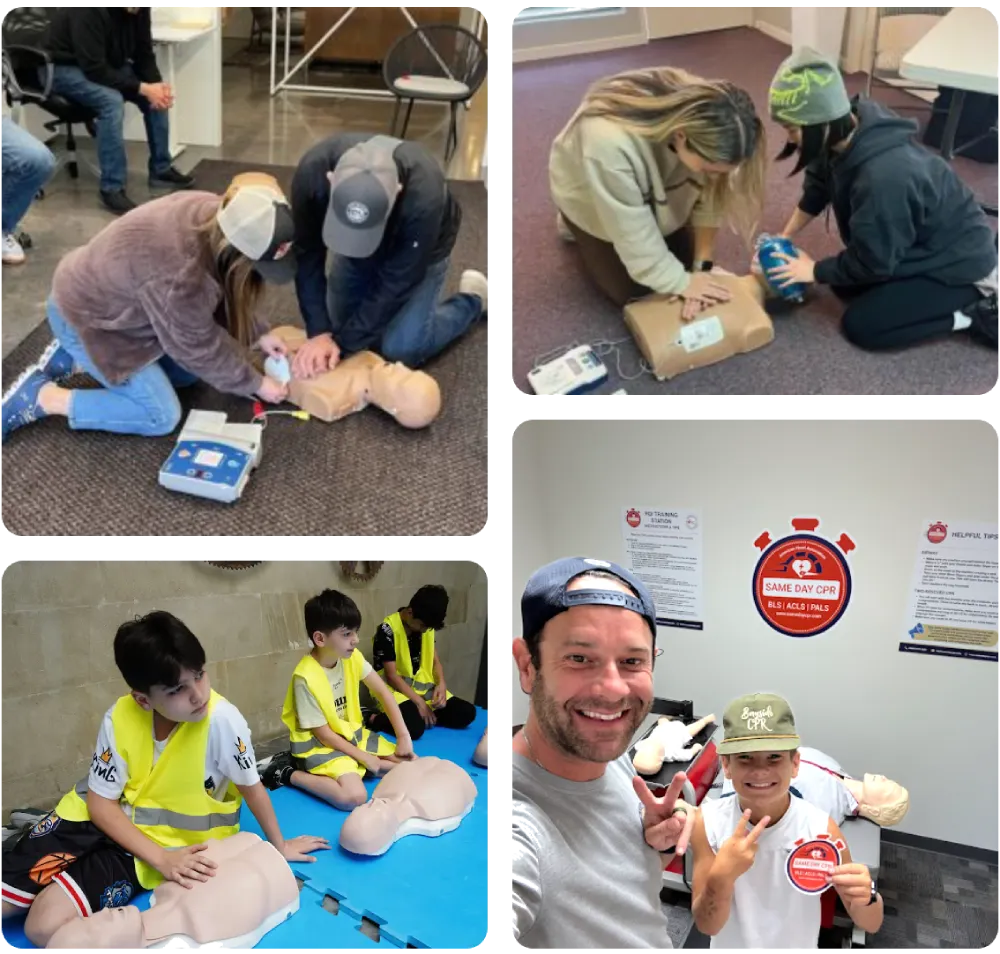
We provide American Heart Association PALS training for healthcare professionals who need the skills to respond to serious emergencies involving infants and children. The course follows AHA standards and covers pediatric assessment, respiratory emergencies, shock, cardiac arrest, resuscitation, and team dynamics.
Our training options make it easier to complete your PALS requirements while working around your professional schedule.
Best for healthcare professionals completing PALS certification for the first time or coming back for a renewal.
Best for those who already have access to the online course and only need to complete their hands-on skills check.
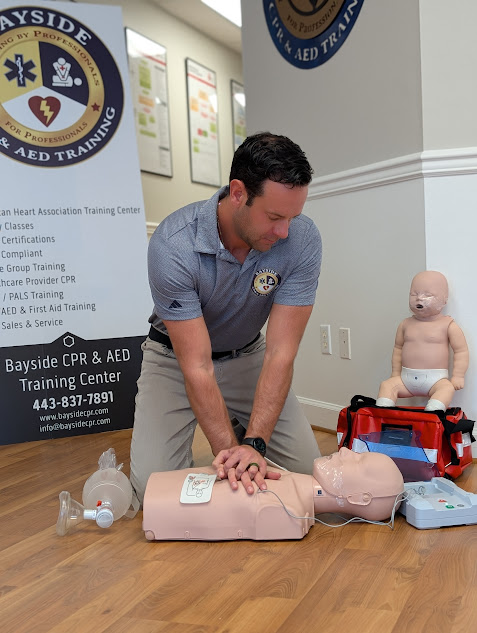
New Jersey CPR Classes makes it easier for healthcare professionals to complete PALS training around their work schedules. With multiple training locations and flexible appointment options, you can choose a session that works for you without having to attend a traditional group class.
Training options include:
Pediatric Advanced Life Support is an advanced AHA certification that gives healthcare providers a structured, algorithm-based framework for managing life-threatening emergencies in infants and children. The course focuses on early identification of clinical decline and fast intervention in situations involving respiratory failure, shock, and cardiac arrest.
PALS goes beyond general resuscitation and gets specific about pediatric care. Providers learn age-appropriate airway management, resuscitation protocols written specifically for children and infants, post-cardiac arrest stabilization, and weight-based medication dosing. The systematic approach the course teaches helps clinical teams assess a critically ill child quickly, prioritize the right interventions, and carry out a coordinated emergency response using evidence-based protocols.
PALS certification is valid for two years. Renewal is required before expiration to stay current with New Jersey hospital requirements and any applicable professional licensing standards.
Builds the ability to recognize serious pediatric emergencies and identify when immediate intervention is needed.
Strengthens your understanding of pediatric respiratory distress, respiratory failure, shock, and cardiac arrest.
Improves your ability to assess critically ill infants and children using a systematic approach.
Develops skills in pediatric resuscitation, airway management, and emergency response.
Reinforces effective communication and teamwork during pediatric emergencies.
Helps healthcare professionals stay prepared for situations involving critically ill or injured children.
Our AHA PALS course covers the core knowledge and skills healthcare professionals need when responding to serious pediatric emergencies.
By the end of the course, you will be able to:
PALS is intended for healthcare professionals who may participate in the management of serious respiratory, cardiovascular, or cardiopulmonary emergencies involving infants and children. Common roles include those working in emergency medicine, intensive care, critical care, pediatric care, and other settings where pediatric emergencies may occur.
Specific PALS requirements can vary by employer, healthcare facility, job role, and credentialing organization, so healthcare professionals should confirm the requirements that apply to their position.
Pediatricians, neonatologists, pediatric nurses, physician assistants, and critical care technicians working in New Jersey pediatric units, neonatal intensive care units, and pediatric intensive care units face a level of clinical urgency that few other settings match. Infants and children can decline rapidly, and the window to intervene effectively is often very short. For these providers, a current PALS certification is not just a box to check. It is the foundation of their ability to recognize what is happening, make the right call, and carry out a coordinated response when a young patient’s life is on the line.
Emergency physicians, EM nurses, and emergency technicians working in New Jersey hospitals and urgent care centers that see pediatric patients are commonly required to hold a current PALS certification. Children presenting to emergency departments with respiratory distress, seizures, septic shock, or traumatic injury need providers who can move quickly and follow a structured clinical approach. PALS keeps those skills current and clinically grounded.
Nurse practitioners and physician assistants working in pediatric primary care, specialty clinics, and inpatient settings across New Jersey are increasingly required to hold PALS certification as part of their credentialing and hospital privileges. Their expanded clinical responsibilities mean they need the same level of emergency preparedness as the physicians they work alongside.
Registered nurses working on general pediatric floors and intermediate care units throughout New Jersey hospitals may see fewer critical events than their ICU colleagues, but emergencies still happen. A current PALS certification means these nurses can respond immediately and effectively when a child’s condition changes suddenly, bridging the gap before a rapid response team arrives.
Our PALS courses follow American Heart Association course requirements and cover the core skills and knowledge used to assess and respond to serious pediatric emergencies.
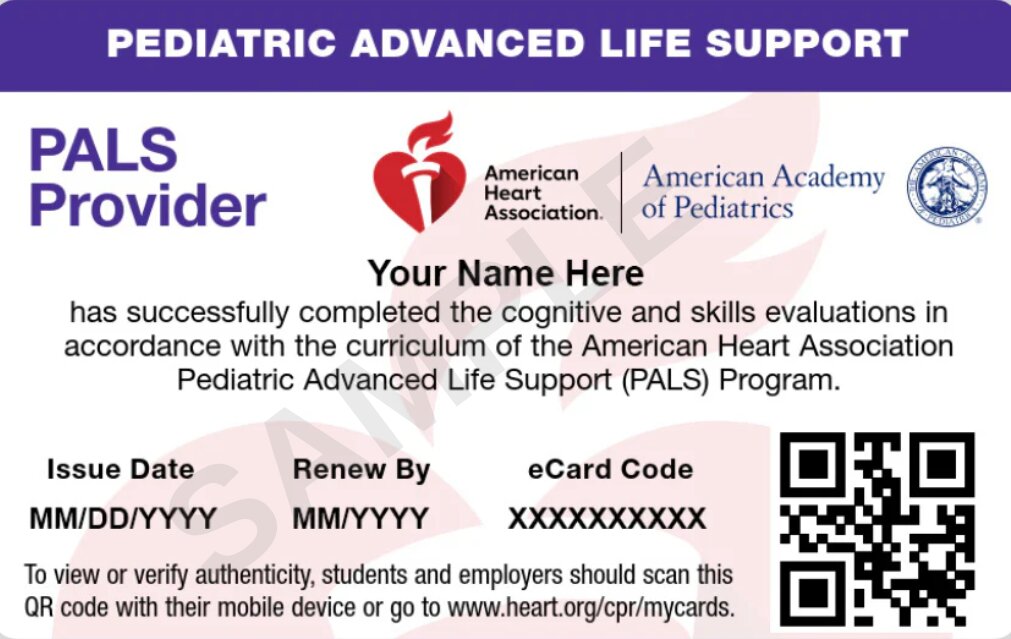
After completing the required course components, participants receive an official American Heart Association PALS Provider eCard.
Once you complete your course requirements and skills assessment, your PALS eCard can be issued without a lengthy waiting period.
HeartCode PALS provides a blended learning option that combines online learning with a hands-on skills session. The online portion can be completed at your own pace before attending the required skills training.
Choose from multiple training locations throughout New Jersey and select an available appointment that fits your schedule.
Our training process allows participants to practice required skills and receive feedback during the hands-on session.


Find all the essential information about your PALS certification, including the course structure, validity period, compliance requirements, and the certification process.
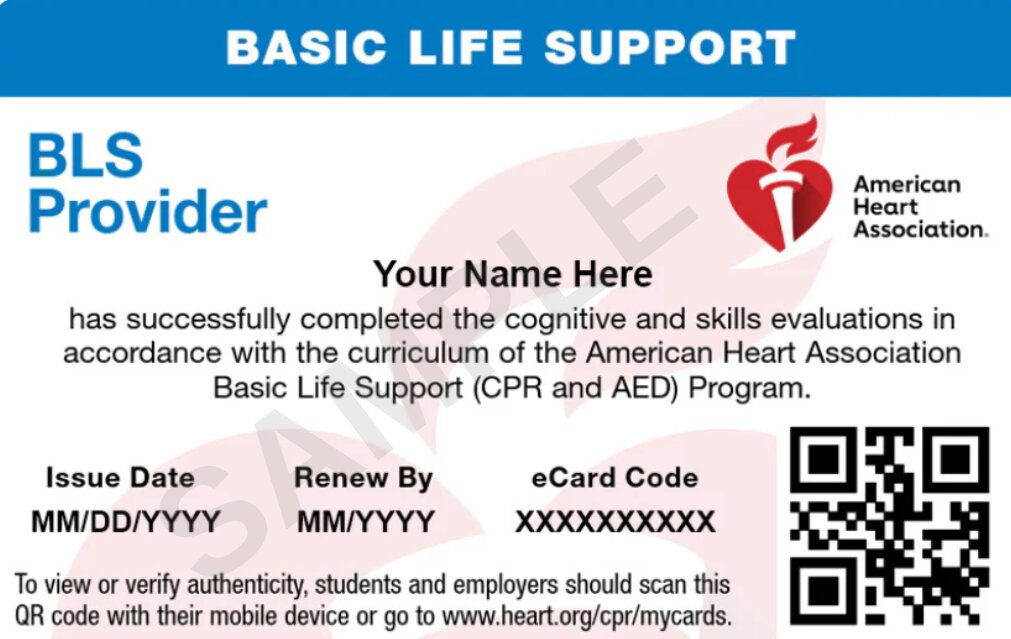
Basic Life Support
The essential life support skills every healthcare professional needs, from airway management to high-quality CPR.
Flexible & self-paced;
Hands-on practice
Truster Certification

Advanced Cardiovascular Life Support
Advanced training for healthcare professionals to recognize and manage cardiopulmonary emergencies.
Flexible & self-paced;
Hands-on practice
Trusted Certification
Get your PALS training started with a course option that fits your schedule. Choose your preferred training location, complete the required course components, and prepare for pediatric emergencies with American Heart Association PALS training.
PALS training focuses on how to quickly assess and manage pediatric emergencies such as respiratory failure, shock, and cardiac arrest. The course emphasizes real decision-making skills, team response, and AHA-approved treatment algorithms used in hospital and emergency settings.
PALS is intended for licensed healthcare providers who regularly treat infants and children in clinical environments. This includes emergency department staff, ICU nurses, pediatric healthcare teams, paramedics, and physicians working in urgent or critical care settings.
Yes, it is more advanced than BLS. PALS includes pediatric-specific algorithms, rhythm recognition, medication considerations, and scenario-based testing. Most students find the simulation portion more challenging because it requires fast clinical judgment rather than basic skills alone.
The AHA PALS course is delivered in two parts. First, you complete the HeartCode online module. After that, you attend a hands-on skills session where you are evaluated on CPR performance, rhythm recognition, and emergency scenarios using a training manikin system.
Your certification becomes active immediately after you successfully complete the skills session. The eCard is issued digitally the same day and can be used right away for employer verification.
You are given feedback and additional attempts during the session to correct your performance. The goal is to ensure competency, not to rush the evaluation.
Yes. The certification is issued under the American Heart Association guidelines, which are accepted by hospitals, clinics, and healthcare employers across New Jersey and the United States.