If you’re getting certified in New Jersey, you’ll likely run into two very different paths to the same AHA card: a full classroom course with an instructor, or a CPR Verification Station where you complete the coursework online and finish with a short hands-on skills session. Both lead to the same certification. How you get there looks nothing alike.
Picking the wrong format for your situation can waste a half-day you didn’t have to spare, or leave a first-time student without the guidance they actually wanted. This guide breaks down how each option works, where they differ, and how to figure out which one fits your role, your experience level, and your schedule.
Traditional Classroom Training, Explained
Traditional CPR training is the format most people picture when they think of getting certified: a room full of students, an instructor at the front, and a manikin on every table. The instructor walks through the material, demonstrates each skill, and watches as students practice compressions, rescue breaths, and AED use in real time.
Everything happens in one scheduled block, usually a few hours for BLS and closer to a half or full day for ACLS or PALS. You move through the course as a group, at the pace the instructor sets, with the chance to ask questions and get corrected on the spot if your hand placement or compression depth is off.
This format works well if you like learning in a room with other people, want an instructor available the moment a question comes up, or are nervous about performing CPR for the first time and want live coaching through it.
CPR Verification Stations, Explained
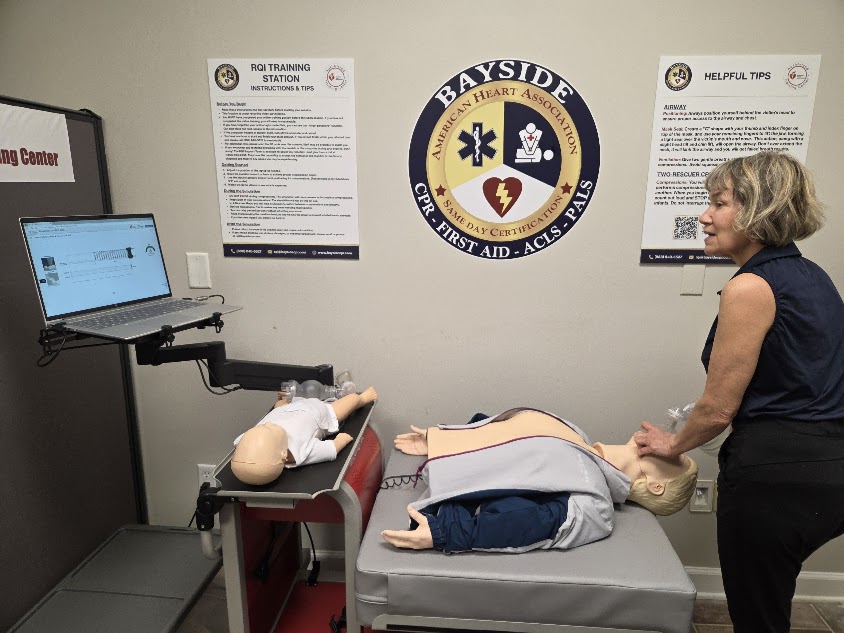
A CPR Verification Station takes a different approach to the hands-on portion of certification. Students complete the required coursework online first, working through it whenever their schedule allows. Once that’s done, they book a short appointment at a verification station to complete the skills portion in person.
Instead of an instructor watching over your shoulder, you demonstrate your skills on a Voice-Assisted Manikin. The manikin tracks your compression depth, rate, hand placement, and chest recoil as you perform them, and gives you immediate feedback so you know right away if something needs adjusting. Once you complete every required skill correctly, your certification is finished.
This approach is often called Self-Guided Learning or Self-Paced CPR Certification, and it’s worth being clear about what that actually means. It doesn’t mean teaching yourself CPR with no structure. The online coursework follows the same AHA curriculum as a classroom course, and the skills assessment still requires you to physically demonstrate every technique correctly before you’re certified.
Side-by-Side Comparison
| Feature | Traditional Classroom Training | CPR Verification Station |
| Where the learning happens | In-person, group setting | Online coursework, individually |
| Skills assessment | Instructor observes and corrects | Voice-Assisted Manikin measures and provides feedback |
| Schedule | Fixed class date and time | Complete coursework anytime, book skills session separately |
| Pace | Set by the instructor and the group | Set by you |
| Time commitment | Several hours in one sitting | Shorter in-person visit, since coursework is done ahead of time |
| Interaction | Direct instructor access throughout | Instructor not present during the skills check |
| Best fit | First-time students, those who want live coaching | Renewals, experienced providers, busy schedules |
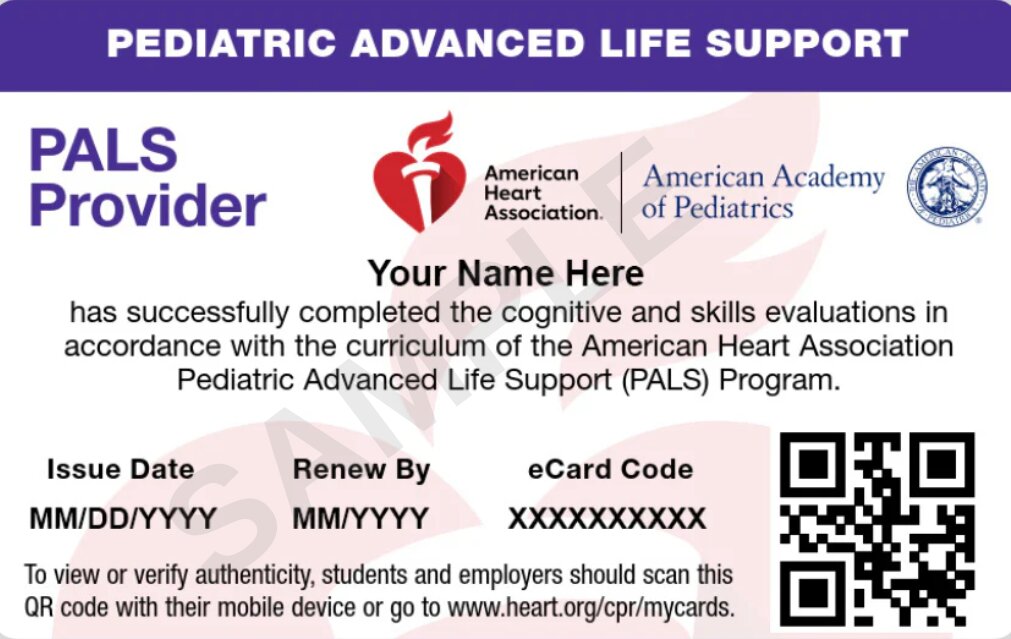
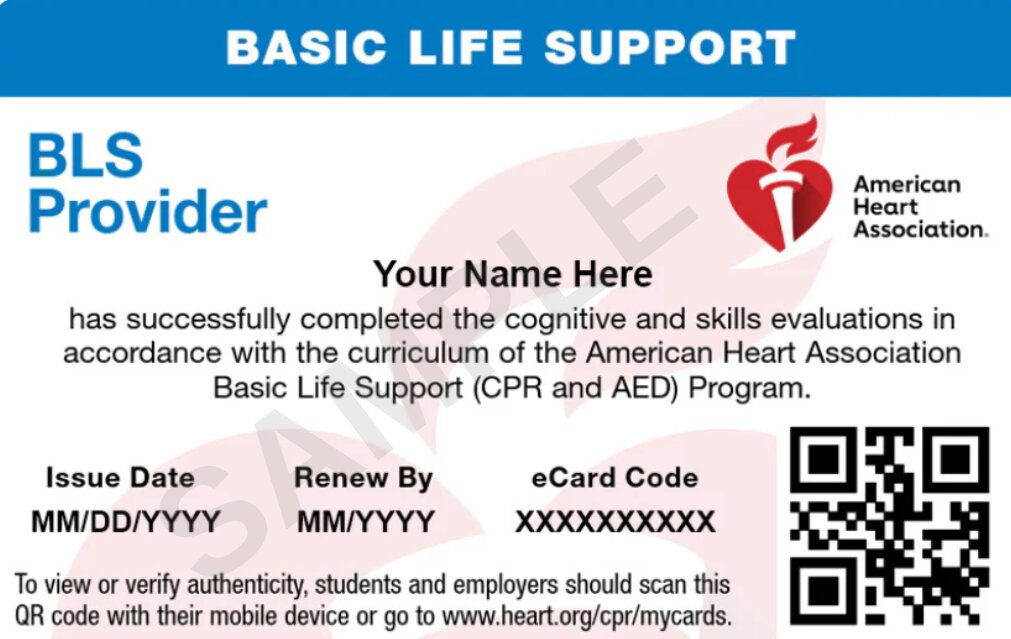
Both paths lead to the same result: an official AHA course completion eCard that meets employer and credentialing requirements across New Jersey.
Which Format Makes Sense for Renewals?
If you already hold a current or recently expired card, a CPR Verification Station is usually the more practical choice. You already know the material, so sitting through a full classroom review of concepts you’ve covered before doesn’t add much value. Completing a quick online refresher and heading straight to the skills check gets you recertified without eating into a workday you didn’t plan to lose.
This is a big part of why CPR Verification Stations have become popular with working healthcare professionals in New Jersey. Nurses, EMTs, paramedics, and hospital staff on rotating shifts often can’t block out a full day for a class, and a shorter, self-paced path fits their reality better than a fixed classroom schedule ever could.
Which Format Makes Sense for First-Time Students?
For someone getting certified for the first time, the answer depends more on learning style than on convenience alone.
Traditional classroom training tends to be the better fit if you:
- Want to ask questions as they come up, rather than waiting for a skills appointment
- Feel more confident learning a new physical skill with someone watching and correcting you
- Prefer practicing alongside other students rather than on your own
- Have never performed CPR before and want extra reassurance during your first attempt
A CPR Verification Station can still work well for first-timers who:
- Learn better independently, at their own pace, without a group setting
- Have some baseline familiarity with CPR, even without formal certification
- Need a schedule that doesn’t depend on when a class happens to be running
- Want to move through the material quickly rather than at a group’s pace
Neither path produces a lesser certification. The difference is really about how you personally learn best, not which one is more rigorous.
Does New Jersey Accept CPR Verification Station Certification?
Yes. As long as your course is completed through an authorized AHA Training Center, the certification you receive is the same nationally recognized eCard whether you finished through a classroom or a verification station. New Jersey hospitals, EMS agencies, and healthcare employers generally accept either format, provided the hands-on skills component was genuinely completed and verified, not skipped or replaced with a fully online, no-verification course.
If your employer has a specific preference between the two, it’s worth confirming directly, since some hospital credentialing offices track training format alongside the certification itself.
How New Jersey CPR Classes Approaches Both Options
At New Jersey CPR Classes, we built our training around the reality that different students need different things. Our Self-Guided Learning format lets you complete BLS, ACLS, or PALS coursework online, on your own time, then finish with a hands-on skills session at one of our CPR Verification Stations using a Voice-Assisted Manikin. It’s a genuinely fast path for renewals and for students who already have a handle on the material.
If you’re certifying for the first time and want more guidance, we can walk you through what to expect at the skills session and make sure you feel prepared before you arrive, so the in-person portion doesn’t feel like a surprise test.
For hospitals, EMS agencies, schools, and other organizations, we also offer CPR Verification Station rentals so you can bring certification and recertification on-site for your entire staff. Instead of scheduling employees out individually across weeks, your team can complete skills sessions together, on a timeline built around your operations rather than a public class calendar.
How to Decide Between the Two
A few questions can help point you toward the right option:
- Is this your first time getting certified, or are you renewing?
- Do you learn better with live instruction, or independently at your own pace?
- Does your work schedule realistically allow for a full classroom session?
- Does your employer or credentialing office require a specific training format?
If you’re short on time, already have experience, or just need to renew, a CPR Verification Station will likely get you certified faster without sacrificing quality. If you’re new to CPR and want an instructor guiding you through every step, a traditional classroom course may feel like the safer starting point.
Getting Certified in New Jersey
Whichever format you choose, the goal is the same: walking away with real skills you can rely on and a certification that satisfies what your employer, licensing board, or credentialing office expects to see. At New Jersey CPR Classes, both paths lead to the same AHA-approved BLS, ACLS, and PALS certifications, so the decision comes down to what fits your schedule and how you learn best, not which option gives you a better credential.
Frequently Asked Questions
Is a CPR Verification Station certification the same as one earned in a classroom?
Yes. Both formats result in the same official AHA course completion eCard, as long as the course is completed through an authorized AHA Training Center with a genuine hands-on skills assessment.
Do I still practice hands-on skills with a CPR Verification Station?
Yes. You complete the knowledge portion online, then demonstrate every required skill in person on a Voice-Assisted Manikin before your certification is issued.
Which option is faster?
CPR Verification Stations are generally faster overall, since the coursework is completed ahead of time and the in-person visit only covers the skills assessment.
Can businesses use CPR Verification Stations for group training?
Yes. Organizations can rent a CPR Verification Station for on-site certification and recertification, which works well for hospitals, EMS agencies, schools, and other employers with larger teams.
Is one format better for BLS, ACLS, or PALS specifically?
Both formats are available for BLS, ACLS, and PALS. The right choice depends more on your experience level and schedule than on which certification you’re pursuing.