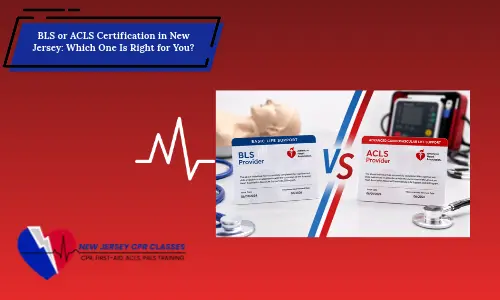
If you work in healthcare in New Jersey, you may encounter BLS and ACLS certification requirements throughout your career. Although both courses focus on emergency cardiovascular care, they cover different skills and levels of clinical response. BLS provides foundational life support training, while ACLS builds on that foundation for professionals involved in more advanced cardiovascular care.
This guide explains the key differences between BLS and ACLS certification in New Jersey, including their course content, costs, eligibility, validity, and professional requirements.
What Is BLS Certification?
Basic Life Support (BLS) certification follows American Heart Association (AHA) guidelines and provides healthcare professionals with foundational training to respond to life-threatening emergencies. The course covers essential basic life support principles, including recognizing critical conditions, performing resuscitation, and coordinating an effective emergency response.
The meaning of BLS can be broken down into three simple terms:
- Basic: Refers to the fundamental level of care used to provide immediate assistance during an emergency.
- Life: Focuses on preserving the patient’s life and supporting essential body functions during an emergency.
- Support: Describes the care provided to help sustain a patient until additional medical treatment becomes available.
BLS is an entry-level course but is not for the general public. Nursing students, EMT candidates, dental professionals, CNAs, and others entering healthcare roles take BLS training to meet their employers’ or professional requirements.
What Is ACLS Certification?
Advanced Cardiovascular Life Support (ACLS) certification follows American Heart Association (AHA) guidelines and provides healthcare professionals with advanced training to manage serious cardiovascular emergencies. The course builds on BLS knowledge and prepares participants for more advanced cardiovascular care.
The meaning of ACLS can be broken down into four simple terms:
- Advanced: Refers to a higher level of clinical knowledge and intervention.
- Cardiovascular: Relates to the heart and circulatory system.
- Life: Focuses on preserving the patient’s life during a medical emergency.
- Support: Means providing care to maintain vital functions, stabilize the patient, and support recovery.
ACLS training covers the principles of advanced cardiovascular care, including patient assessment, cardiac rhythm recognition, and appropriate treatment decisions.
How BLS and ACLS Certifications Differ
BLS and ACLS certifications serve different roles within healthcare training. The table below highlights the key differences to help you choose the certification that fits your job requirements.
| Key Factor | BLS | ACLS |
| Certification Full Form | Basic Life Support | Advanced Cardiovascular Life Support |
| Training Level | Foundational life support training | Advanced cardiovascular training |
| Age Groups | Adults, children, and infants | Primarily adult patients |
| Main Skills | CPR, AED use, ventilation, and basic airway support | Cardiac rhythm recognition, advanced airway management, electrical therapy, and resuscitation algorithms |
| Pharmacology | Not a primary focus | Includes medications used during cardiovascular emergencies |
| Team Response | Focuses on communication and coordinated resuscitation | Emphasizes team dynamics, leadership, and clinical decision-making |
| Prerequisites | No | Current BLS certification is required |
| Who Takes It | Healthcare students, nurses, EMTs, dental professionals, and other healthcare workers | Physicians, nurses, paramedics, and healthcare professionals involved in advanced cardiovascular care |
What Do BLS and ACLS Courses Cover?
BLS and ACLS cover different levels of resuscitation for healthcare professionals. The two certifications differ in the knowledge, skills, and clinical responsibilities they address.
BLS Course Content
BLS training focuses on the foundational knowledge and practical skills needed to respond to critical conditions. The course covers different patient age groups and prepares participants to apply appropriate care in various clinical situations.
- CPR Skills: Performing effective chest compressions and ventilations while maintaining proper technique throughout resuscitation.
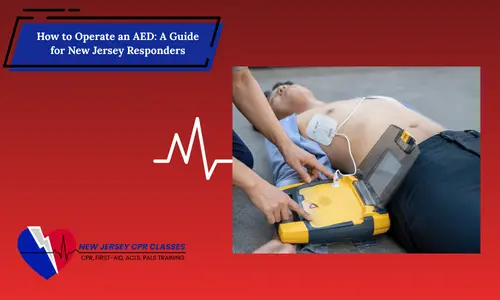
- AED Use: Operating an automated external defibrillator and following its prompts during a cardiac arrest response.
- Ventilation Support: Providing rescue breaths and using appropriate ventilation equipment when indicated.
- Airway Obstruction: Recognizing severe choking and applying appropriate interventions for adults, children, and infants.
- Emergency Recognition: Identifying signs that indicate the need for immediate resuscitation and beginning appropriate care.
- Team Response: Communicating with other rescuers, coordinating responsibilities, and maintaining an organized response during CPR.
- Special Circumstances: Applying appropriate BLS principles during emergencies that may require additional considerations, including opioid associated emergencies.
ACLS Course Content
ACLS training focuses on the advanced knowledge and clinical judgment healthcare professionals need when managing complex emergencies. The course helps participants apply their knowledge effectively in situations that require a higher level of care.
- Cardiac Arrest Response: Applying appropriate resuscitation interventions during cardiac arrest and adjusting care based on the patient’s condition.
- Cardiac Rhythm Recognition: Identifying significant cardiac rhythms and using rhythm findings to guide treatment decisions.
- Airway and Breathing Management: Supporting ventilation and applying appropriate airway interventions during advanced resuscitation.
- Electrical Therapy: Using defibrillation and cardioversion when indicated for specific cardiac rhythms.
- Medication Use: Applying appropriate emergency medications during cardiovascular resuscitation.
- ACLS Algorithms: Following established treatment pathways for cardiac arrest, bradycardia, and tachycardia.
- Acute Cardiovascular Conditions: Addressing conditions such as acute coronary syndromes and stroke within the ACLS framework.
- Post-Cardiac Arrest Care: Supporting the patient after return of spontaneous circulation and addressing ongoing care needs.
Who Should Get BLS Certification in New Jersey?
BLS certification is generally appropriate for healthcare professionals who need to respond to cardiac arrest or respiratory emergencies but do not require the advanced interventions covered in ACLS. Your employer, school, or clinical program may specify whether BLS certification is required.
Common professionals and students who may need BLS certification include:
• Nurses and nursing students
• Physicians and medical students
• EMTs and paramedics
• Dental professionals
• Medical assistants
• Healthcare technicians
• Other healthcare professionals who provide direct patient care
Who Should Get ACLS Certification in New Jersey?
ACLS is intended for healthcare professionals who participate in the management of adults experiencing cardiac arrest and other serious cardiovascular emergencies. Participants need a strong understanding of BLS skills and should be prepared to apply advanced assessment and treatment concepts during resuscitation.
ACLS may be required for professionals working in settings where advanced cardiovascular emergencies are regularly managed, including:
• Nurses working in emergency, critical care, or acute care settings
• Physicians and physician trainees
• Paramedics and other advanced emergency care professionals
• Professionals involved in cardiac or critical care response teams
• Healthcare providers whose employers specifically require ACLS certification
Can Healthcare Professionals Hold Both BLS and ACLS?
Yes. Healthcare professionals can hold both BLS and ACLS certifications when their position requires foundational and advanced resuscitation knowledge. If you have both credentials, you can meet workplace or clinical requirements that require different levels of resuscitation training.
For example, a nurse working in a hospital may need BLS certification for routine emergency response and ACLS certification when the position involves advanced cardiac care.
Having both certifications can also be useful when a professional changes roles or moves into a setting with different certification requirements. Checking your employer’s or healthcare facility’s current certification requirements can help you determine whether you need BLS, ACLS, or both.
Cost of BLS vs. ACLS Certification in New Jersey
The cost of ACLS and BLS certification in New Jersey can vary based on the course format and whether you need the complete online and skills training or only the hands-on skills session. The table below provides a general breakdown of the available options and their listed prices.
| Course | What’s Included | Price |
| BLS Online & Skills | Online HeartCode BLS + in-person skills check | $120 |
| BLS Skills Only | In-person skills check for those who completed online training elsewhere | $90 |
| ACLS Online & Skills | Online HeartCode ACLS + in-person skills check | $295 |
| ACLS Skills Only | In-person skills check for those who completed online training elsewhere | $150 |
Learn more in detail: CPR Certification cost in New Jersey
How Long Are BLS and ACLS Certifications Valid in New Jersey?
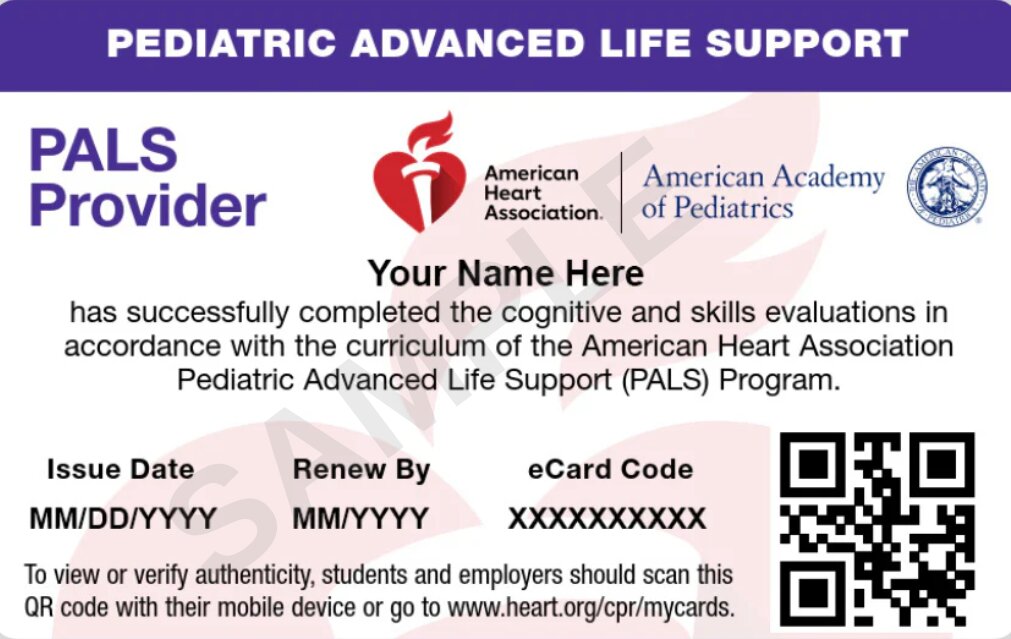
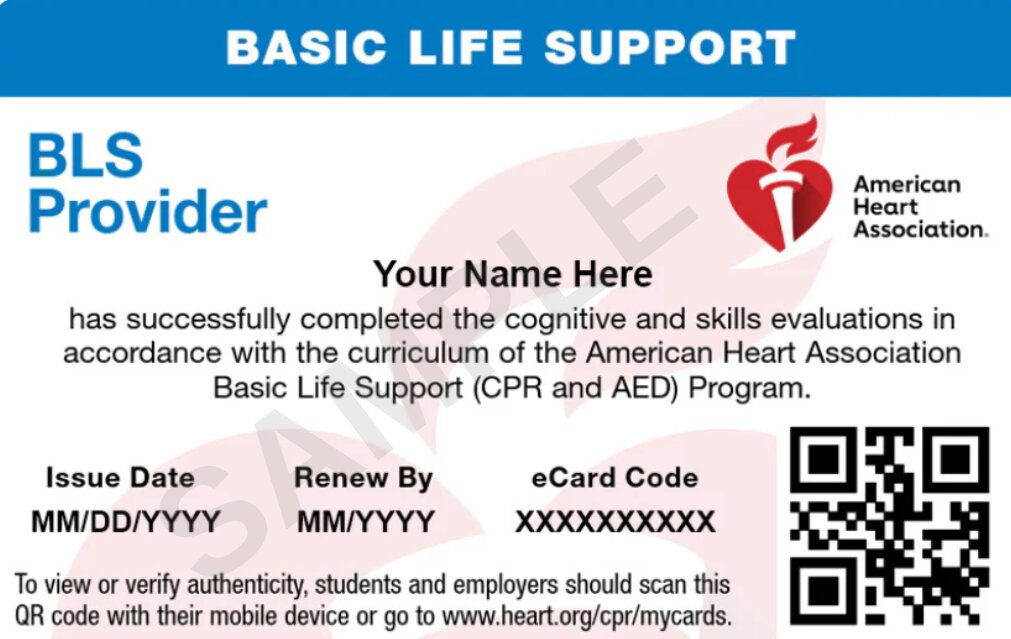
BLS and ACLS certifications issued through the American Heart Association (AHA) are generally valid for two years from the date of successful course completion. The AHA Provider eCard shows your certification expiration date, so you know when to renew it.
Renewing before the expiration date can help you maintain uninterrupted certification status. Healthcare facilities, employers, and educational programs may also set their own requirements, so check the applicable policy along with the expiration date on your Provider eCard.
Which Certification Should You Choose?
BLS may be the better choice if your primary responsibility is providing immediate life support, performing CPR, using an AED, and responding to cardiac or respiratory emergencies. ACLS may be the appropriate choice if your role involves advanced cardiovascular assessment, cardiac rhythm management, medications, defibrillation, or participation in advanced resuscitation.
When you are unsure which certification you need, check your employer’s current requirements before registering. Selecting the certification that matches your job responsibilities helps ensure that you meet your workplace’s training requirements in New Jersey.
Final Thoughts
BLS and ACLS certifications support different levels of resuscitation care for healthcare professionals. BLS provides foundational training, while ACLS is intended for professionals involved in advanced cardiovascular care. Reviewing your role and workplace requirements can help you identify the certification that fits your professional needs.
New Jersey CPR Classes offers American Heart Association (AHA) BLS and ACLS certification with flexible learning options. Participants can complete the required online coursework before attending a hands-on skills session at a verification station. After completing the required course components, participants receive their AHA Provider eCard the same day.
FAQs
Can I take ACLS certification without having BLS certification?
No. You must have a current BLS certification before enrolling in an AHA ACLS course.
How often should healthcare professionals renew their AHA BLS or ACLS certification?
AHA BLS and ACLS certifications are generally renewed every two years. Healthcare professionals should also check their employer or school requirements, as renewal policies may require completion before the certification expires.
What happens if my BLS or ACLS certification expires before I complete renewal?
If your certification has expired, you may need to retake the course. Check your employer’s requirements before registering.
What should I bring to a BLS or ACLS hands-on skills session?
Participants should generally bring proof of completed online coursework when required, along with any identification or documentation requested by the training provider. Confirm the provider’s instructions before attending the skills session.
How can I verify whether a BLS or ACLS certification card is authentic?
You can verify an AHA Provider eCard through the American Heart Association’s eCard verification system. Employers can use the verification information on the card to confirm that an authorized AHA training organization issued the credential.