CPR certification is an important credential for healthcare professionals, workplace employees, caregivers, and anyone who may need to respond during a life-threatening emergency. In New Jersey, many people earn CPR certification to meet job requirements, maintain professional credentials, or build confidence in handling sudden cardiac emergencies.
A common question after completing a CPR course is how long the certification remains valid. Knowing the expiration timeline helps individuals plan their renewal before their credentials lapse and avoid interruptions in employment, compliance requirements, or professional responsibilities. In this guide, we’ll explain how long CPR certification remains valid in New Jersey, when and why you need to renew, what happens if your certification expires, and which course to choose based on your role.
How Long Is CPR Certification Valid in New Jersey?
In New Jersey, all American Heart Association CPR certifications are valid for two years from the date of course completion.
Other courses that follow the same validity period include:
• Heartsaver CPR AED
• Heartsaver First Aid CPR AED
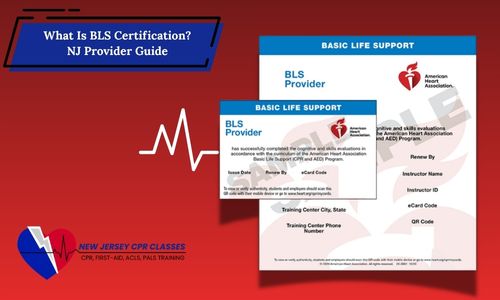
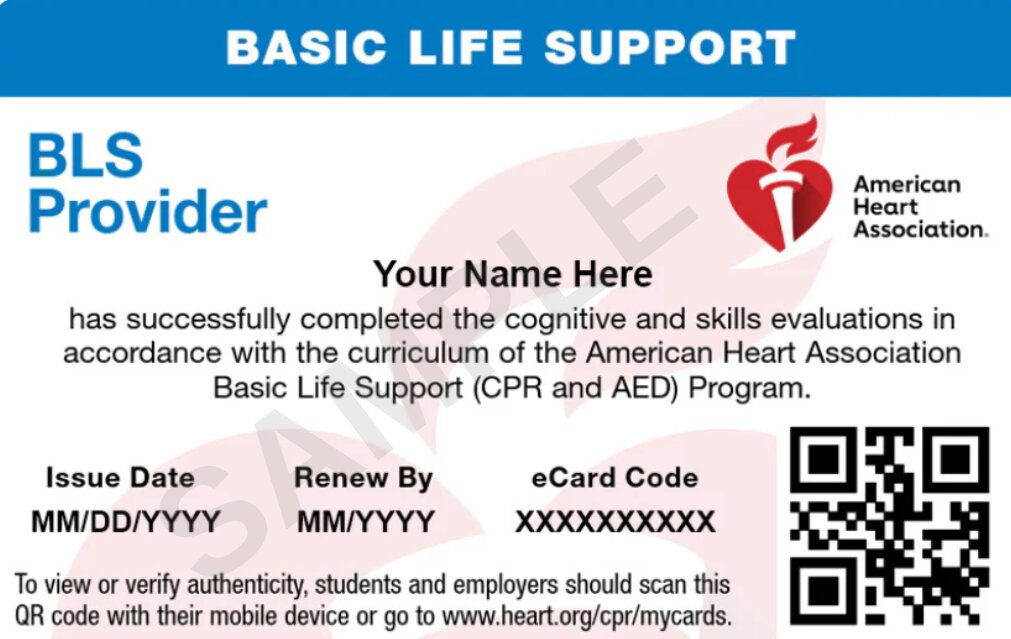
• Basic Life Support (BLS)
• Advanced Cardiovascular Life Support (ACLS)
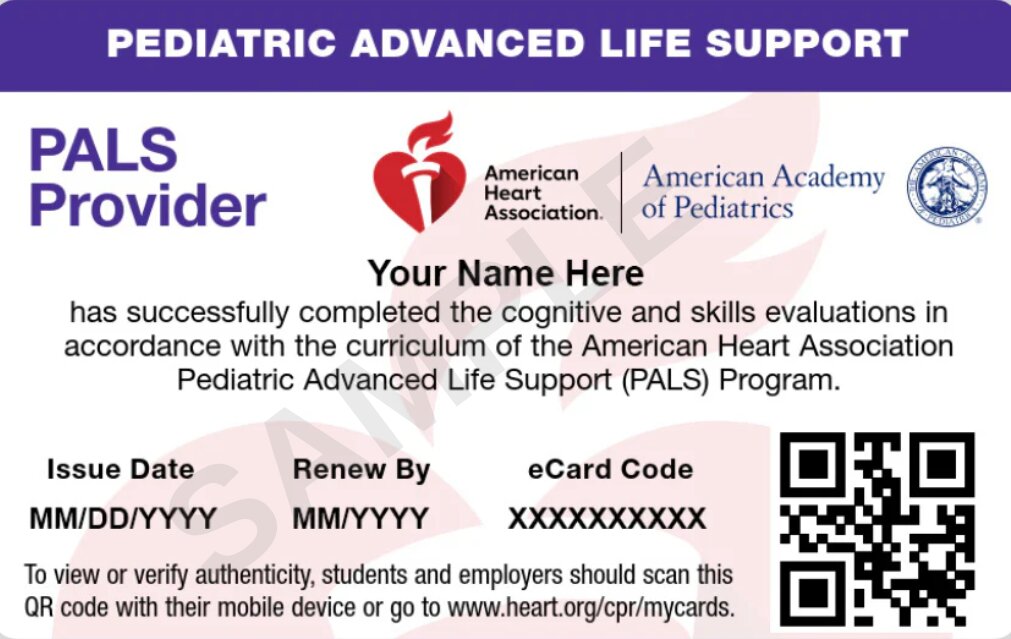
• Pediatric Advanced Life Support (PALS)
Each participant receives an official American Heart Association eCard after completing the training requirements. The eCard displays the issue date and expiration date, making it easier to know when another course will be needed.
While the standard validity period is 2 years, some employers, healthcare facilities, and licensing organizations in New Jersey may require CPR training to be renewed earlier based on their own policies. Reviewing your workplace requirements can help ensure your CPR credentials remain current.
Does New Jersey Have Different CPR Certification Requirements?
New Jersey does not provide its own CPR certification. Instead, employers, healthcare facilities, schools, and other organizations generally accept certifications from nationally recognized providers, such as the American Heart Association.
The certification or renewal requirements may depend on several factors, including:
• Your employer’s policies
• The certification required for your role
• Professional licensing requirements
• Workplace or industry standards
Why Does CPR Certification Expire After Two Years?
CPR guidelines and emergency response practices can change as medical research improves. Renewal courses allow participants to review updated techniques, practice essential skills, and stay familiar with current recommendations for chest compressions, rescue breathing, AED use, and emergency response procedures.
Regular renewal also helps individuals maintain confidence and proper technique. CPR skills can become less familiar over time if they are not practiced regularly. A refresher course helps reinforce the essential CPR skills needed to respond confidently during an emergency.
What Happens If Your CPR Certification Lapses in New Jersey?
If your CPR credential is no longer active, the next steps will depend on your employer’s requirements and the certifying organization’s policies.
You may encounter the following situations:
• Your employer requires updated training before you can return to certain job duties.
• Your workplace or licensing board no longer recognizes your current qualifications.
• The certifying organization requires you to complete the full course instead of a renewal course.
• Employment, onboarding, or compliance processes are delayed until your credential is updated.
Healthcare professionals may experience delays in patient care responsibilities or clinical assignments when current training is required. For individuals outside healthcare, an inactive card may affect eligibility for positions that list CPR training as a condition of employment.
When Should You Renew Your CPR Certification in New Jersey?
The ideal time to update your CPR credentials is before the expiration date shown on your certificate. Many employers and professional organizations recommend completing refresher training before your credential becomes inactive to prevent a gap in your records.
Completing the process early also gives you enough time to finish any required coursework and skills evaluation without pressure. If your CPR certification is no longer valid, you may need to complete the full course instead of a renewal course, depending on the training provider’s requirements.
Who Needs to Keep CPR Certification Current in New Jersey?
An active CPR certification is required for many jobs across New Jersey. Healthcare facilities, schools, childcare centers, and other workplaces often establish their own training requirements based on the responsibilities of each position.
Current CPR training is often required for:
• Healthcare professionals
• Emergency medical personnel
• Teachers and school staff
• Childcare providers
• Coaches and fitness instructors
• Lifeguards
• Workplace safety teams
Always confirm the required course with your employer or licensing board before enrolling in a renewal class.
Which CPR Course Should You Renew in New Jersey?
The course you renew depends on your current certification and the requirements of your job or professional role. Selecting the correct course helps ensure you continue meeting your employer’s training requirements.
Heartsaver CPR AED
Healthcare employees, teachers, coaches, fitness instructors, and other community members often complete this course to maintain CPR and AED skills. Training reviews adult CPR, AED use, and emergency response procedures.
Heartsaver First Aid CPR AED
Many workplaces require this course for employees who need both CPR and first aid training. Participants review CPR, AED use, and first aid skills for common medical emergencies and injuries.
Basic Life Support (BLS)
BLS is a common requirement for nurses, physicians, emergency medical personnel, and other healthcare professionals who provide direct patient care. The course covers high-quality CPR, AED use, and team-based resuscitation.
Advanced Cardiovascular Life Support (ACLS)
Healthcare professionals who manage cardiovascular emergencies often need ACLS as part of their job requirements. Training includes advanced airway management, cardiac rhythm recognition, and emergency response protocols.
Pediatric Advanced Life Support (PALS)
Healthcare professionals who care for infants and children need PALS certification. The course focuses on pediatric assessment, resuscitation, and emergency care.
Tips for Maintaining Your CPR Certification
Planning ahead can help you avoid interruptions and ensure your training remains up to date. A few simple steps can make the renewal process much easier.
Consider the following:
• Save a copy of your digital AHA eCard.
• Add a reminder to your calendar several weeks before the renewal date.
• Confirm your employer’s training requirements before registering.
• Schedule your course early to secure your preferred date and time.
• Keep a copy of your training records for future reference.
Preparing in advance can help you complete your next course without unnecessary delays.
Complete Your CPR Renewal on Your Schedule
Finding time to complete CPR renewal can be challenging when balancing work schedules, school commitments, family responsibilities, and other daily tasks. Fixed class schedules are not always convenient, especially for healthcare professionals, shift workers, and individuals with changing work hours. Missing work or adjusting personal schedules to attend a class can make completing renewal more difficult.
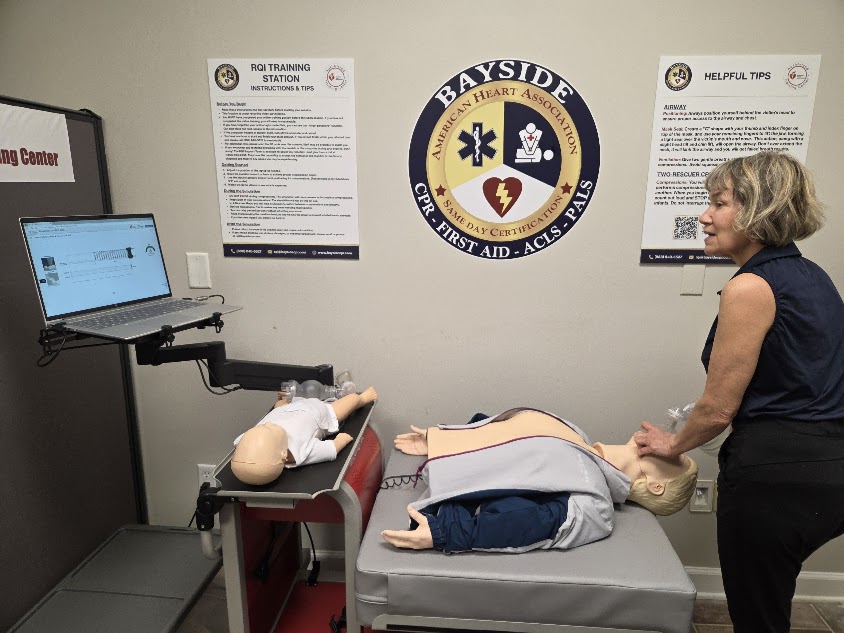
New Jersey CPR Classes makes the process more convenient through a blended learning format. You can complete the online coursework at your own pace before visiting a CPR Verification Station for the required hands-on skills assessment. A voice-assisted manikin provides real-time feedback throughout the skills session to help verify competency before course completion. After completing both portions of the course, you will receive your official American Heart Association eCard the same day, allowing you to complete your renewal with minimal disruption to your schedule.
Frequently Asked Questions
What Happens During a CPR Skills Assessment in New Jersey?
During a CPR skills assessment in New Jersey, participants demonstrate their ability to perform required CPR techniques using a voice-assisted manikin. The session allows participants to practice hands-on skills and complete the required evaluation before receiving their course completion eCard.
Can I renew my CPR certification after it expires?
Yes, you can usually complete CPR training after your certification expires. However, you may need to take a full certification course instead of a renewal course, depending on the provider and certification type.
Does CPR certification expire on the exact date listed on the card?
Yes, CPR certification generally expires on the date shown on your certification card or digital certificate. Completing renewal before that date helps prevent a lapse in certification.
Is CPR certification required for jobs in New Jersey?
Some jobs in New Jersey require CPR certification, especially positions in healthcare, education, childcare, public safety, and fitness. Requirements depend on the employer, industry, and job responsibilities.
How long does a CPR renewal course take in New Jersey?
The length of a CPR renewal course depends on the certification type and training format. Blended courses often allow participants to complete online learning first and then attend a shorter hands-on skills session.