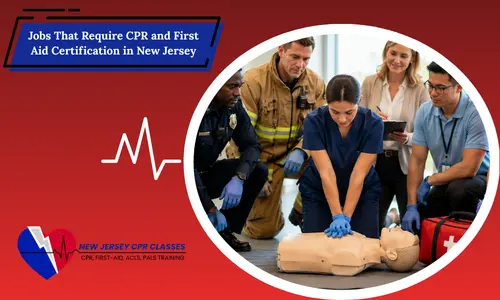
Many jobs involve more than completing daily responsibilities. Employees may also be expected to respond calmly when a medical emergency happens. A quick response during cardiac arrest, choking, severe bleeding, or other emergencies can help protect coworkers, customers, students, patients, and members of the public.
CPR and First Aid certification are commonly required or strongly preferred across many industries in New Jersey. Healthcare employers, schools, childcare facilities, public safety agencies, recreation programs, fitness centers, and many other organizations often include these credentials as part of hiring or ongoing employment requirements. The exact certification needed depends on the position, employer policies, and workplace responsibilities.
Whether you are beginning a new career, changing industries, or renewing your credentials, understanding which jobs require CPR and First Aid certification can help you prepare for employment opportunities. The guide highlights common career fields in New Jersey where these life-saving skills are frequently expected.
Why Many Employers Require CPR and First Aid Certification
Medical emergencies can occur in almost any workplace. Employees who know how to recognize an emergency, provide CPR, control bleeding, or respond to choking may be able to assist until professional medical responders take over. Employers often value trained staff who can contribute to a safer environment for coworkers and the public.
Requirements vary by industry, state regulations, licensing boards, and individual employers. Some positions require certification before employment begins, while others allow employees to complete training during onboarding or within a specified period after hiring.
Jobs That Need CPR and First Aid Certification
CPR and First Aid certification are common employment requirements across many industries in New Jersey. Positions that involve caring for others, supervising groups, maintaining workplace safety, or responding to emergencies often require these credentials before employment or as part of ongoing job requirements. The sections below highlight career categories where CPR and First Aid certification is frequently expected.
Healthcare Careers
Healthcare professionals work in environments where patients may require immediate medical attention. Hospitals, clinics, physician offices, rehabilitation centers, long-term care facilities, and home healthcare agencies often expect employees to maintain current CPR certification, while some roles also require First Aid training based on workplace responsibilities. Certification helps healthcare workers meet employer requirements and remain prepared to respond during cardiac, respiratory, or other medical emergencies encountered in clinical settings.
Common healthcare careers include:
- Registered Nurse
- Licensed Practical Nurse
- Certified Nursing Assistant
- Physician
- Physician Assistant
- Medical Assistant
- Emergency Medical Technician
- Paramedic
- Respiratory Therapist
- Physical Therapist
- Occupational Therapist
- Dental Assistant
- Dental Hygienist
- Home Health Aide
- Patient Care Technician
Education and Childcare Careers
Schools and childcare facilities are responsible for providing a safe environment for children throughout the day, making emergency preparedness an important part of many staff roles. Teachers, childcare providers, coaches, and other school personnel may be required to maintain CPR and First Aid certification based on school district policies, licensing requirements, or employer expectations.
Common education and childcare careers include:
- Teacher
- Teacher Assistant
- Preschool Teacher
- Childcare Provider
- Daycare Worker
- School Nurse
- School Coach
- Special Education Teacher
- Camp Counselor
- Before and After School Program Staff
- Early Childhood Educator
Public Safety and Emergency Response Careers
Public safety professionals are often responsible for protecting the community. They are among the first people to assist someone who is injured or experiencing a medical crisis. Police departments, fire departments, emergency response agencies, correctional facilities, and other public safety organizations commonly require CPR certification. First Aid training is also frequently required as part of emergency preparedness and ongoing professional development.
Common public safety careers include:
- Police Officer
- Firefighter
- Emergency Medical Technician
- Paramedic
- Sheriff’s Deputy
- Correctional Officer
- Search and Rescue Technician
- Emergency Management Specialist
- Public Safety Officer
- Emergency Communications Dispatcher
Fitness, Recreation, and Sports Careers
Fitness centers, sports organizations, recreation departments, and aquatic facilities supervise people of all ages during physical activities where unexpected medical emergencies can occur. Employers commonly require instructors, coaches, trainers, and recreation staff to maintain CPR and First Aid certification to help them respond to medical emergencies involving participants, visitors, or fellow employees until emergency medical services arrive.
Common fitness and recreation careers include:
- Personal Trainer
- Group Fitness Instructor
- Athletic Trainer
- Sports Coach
- Recreation Coordinator
- Recreation Assistant
- Gym Staff
- Lifeguard
- Swim Instructor
- Youth Sports Instructor
Child and Family Services Careers
Professionals working in child and family services often provide supervision, care, and support in homes, community programs, residential facilities, and youth organizations. Many employers require CPR and First Aid certification to help staff respond appropriately to medical emergencies involving children or vulnerable individuals. Requirements may vary depending on the organization, licensing standards, and the responsibilities associated with each position.
Common child and family service careers include:
- Nanny
- Babysitter
- Foster Care Provider
- Youth Mentor
- Family Support Worker
- Residential Care Worker
- Behavioral Health Technician
- Youth Program Coordinator
- Child Welfare Case Worker
Senior Care and Assisted Living Careers
Employees who care for older adults regularly assist individuals with a wide range of health needs in assisted living communities, residential care facilities, adult day programs, and private homes. Many employers require CPR and First Aid certification as part of employee qualifications to support emergency preparedness and help staff provide immediate assistance during medical emergencies until advanced care becomes available.
Common senior care careers include:
- Caregiver
- Home Care Aide
- Personal Care Assistant
- Assisted Living Caregiver
- Memory Care Specialist
- Hospice Aide
- Adult Day Care Staff
- Residential Care Assistant
- Senior Companion
Hospitality, Recreation, and Guest Services Careers
Hotels, resorts, entertainment venues, casinos, conference centers, and similar facilities welcome large numbers of visitors each day, creating a need for employees who can respond appropriately during unexpected medical emergencies. Depending on the workplace and job responsibilities, employers may require or recommend CPR and First Aid certification for staff responsible for guest safety, event operations, security, or recreational activities.
Common hospitality careers include:
- Hotel Manager
- Hotel Front Desk Supervisor
- Resort Staff
- Event Coordinator
- Event Manager
- Conference Center Staff
- Campground Manager
- Recreation Facility Attendant
- Guest Services Supervisor
Industrial, Manufacturing, and Construction Careers
Construction sites, manufacturing facilities, warehouses, and industrial workplaces involve physical tasks and environments where workplace injuries or medical emergencies may occur. Many employers include CPR and First Aid certification within their overall workplace safety programs, particularly for supervisors, safety personnel, and employees assigned to higher-risk job duties or emergency response responsibilities.
Common industrial careers include:
- Construction Supervisor
- Construction Safety Officer
- Manufacturing Supervisor
- Warehouse Supervisor
- Industrial Maintenance Technician
- Plant Safety Coordinator
- Utility Worker
- Site Safety Manager
- Field Operations Supervisor
Security and Corporate Safety Careers
Security professionals play an important role in maintaining safety across office buildings, schools, healthcare facilities, retail locations, and event venues. Since security personnel are often among the first employees to respond during an emergency, many organizations require CPR and First Aid certification to help them provide immediate assistance while coordinating with emergency medical services.
Common security careers include:
- Security Guard
- Corporate Security Officer
- Campus Security Officer
- Hospital Security Officer
- Loss Prevention Officer
- Event Security Officer
- Building Safety Coordinator
- Security Supervisor
Volunteer and Community Service Roles
Many volunteer organizations support public events, youth activities, community outreach programs, and disaster response efforts where volunteers may encounter unexpected medical emergencies. Although certification requirements vary by organization, CPR and First Aid training is often encouraged or required for volunteers who supervise participants, assist vulnerable populations, or take on leadership roles during community programs.
Common volunteer and community service roles include:
- Community Volunteer
- Scout Leader
- Youth Group Leader
- Disaster Relief Volunteer
- Community Event Volunteer
- Faith-Based Organization Volunteer
- Neighborhood Program Coordinator
- Nonprofit Program Volunteer
How to Include CPR Certification on Resume?
Including your certification on your resume shows employers that you have completed recognized training and have the skills needed to respond during emergencies. Listing your credentials clearly also helps hiring managers verify that your certification is current.
Here are the correct ways to put your CPR certification on a resume:
- Add your CPR certification to the Certifications section of your resume.
- Mention your CPR certification in your professional summary if it is relevant to the position.
- Include CPR in the Skills section to highlight your emergency response abilities.
- Reference your CPR certification in your work experience if you used it in a previous role.
- Include your CPR certification in the Education or Additional Training section if you have limited work experience.
How Long Does CPR and First Aid Certification Remain Valid?
Your American Heart Association (AHA) CPR and First Aid certification remains valid for two years from the date of issue. Employers, licensing boards, and regulatory agencies may have their own renewal requirements, making it important to verify the expiration date of your certification and any workplace policies that apply to your role.
Renewing your certification before it expires helps you maintain an active credential and stay current with the latest CPR techniques, First Aid practices, and training guidelines. Many training providers offer renewal courses that allow eligible participants to refresh their knowledge and continue meeting employment or professional requirements without interruption.
How to Choose a CPR and First Aid Training Provider in New Jersey
Choosing the right CPR and First Aid training provider helps ensure your certification meets employer requirements and supports your career goals. Before enrolling, compare more than just the course price. The issuing organization, training format, scheduling options, and certification process can all affect whether your credential is accepted for your profession.
When comparing providers, consider the following:
- Verify that the course is offered through a nationally recognized training organization accepted by employers in your industry.
- Choose a training format that meets any hands-on skills requirements for your profession.
- Confirm that the certification satisfies your employer’s policies or any state or professional licensing requirements before registering.
- Look for flexible scheduling options, such as weekday, evening, or weekend classes, if you need to balance training with work or other commitments.
- Check how and when you will receive your certification after completing the course. Providers that issue digital certification cards promptly can make it easier to meet employment or renewal deadlines.
Get Certified with New Jersey CPR Classes
Whether you are entering a new career, renewing an existing certification, or meeting employer requirements, CPR and First Aid certification can help you stay prepared for medical emergencies while strengthening your professional qualifications. Many employers across New Jersey require or prefer current certification for positions in healthcare, education, childcare, public safety, fitness, construction, and other industries.
New Jersey CPR Classes offers a convenient blended learning format that allows you to complete the online coursework at your own pace before visiting one of our New Jersey training locations for your hands-on skills evaluation. Our American Heart Association CPR and First Aid courses are accepted by employers nationwide, and you will receive your official AHA digital eCard the same day after completing your skills session.
FAQs
Does every job in New Jersey require both CPR and First Aid certification?
No. Certification requirements vary by employer and job responsibilities. Some positions require only CPR certification, while others require both CPR and First Aid. Review the job posting or speak with your employer to determine which certification is needed.
How much does CPR certification cost in New Jersey CPR Classes?
CPR certification costs vary depending on the course you choose. Basic CPR and AED courses are typically more affordable than advanced healthcare courses such as BLS, ACLS, or PALS. Check course pricing before registering.
How long is CPR and First Aid certification valid in New Jersey?
Many nationally recognized CPR and First Aid certifications, including those issued by the American Heart Association, are valid for two years. Renewing your certification before it expires helps you maintain an active credential for employment and professional requirements.
Can my employer pay for my CPR and First Aid certification?
Some employers reimburse employees for certification costs or arrange training through an approved provider. Reimbursement policies vary by organization, so check with your employer or human resources department to learn what benefits are available.
Can I apply for a job before earning CPR and First Aid certification?
Yes, depending on the employer and the position. Some organizations allow applicants to complete certification after they are hired, while others require proof of current certification before employment begins. Hiring requirements vary by industry and employer.
Is CPR and First Aid certification accepted throughout New Jersey?
Yes. American Heart Association (AHA) CPR and First Aid certification is widely accepted by employers throughout New Jersey and across the United States. Always verify your employer’s or licensing board’s certification requirements to ensure the course meets the standards for your profession.