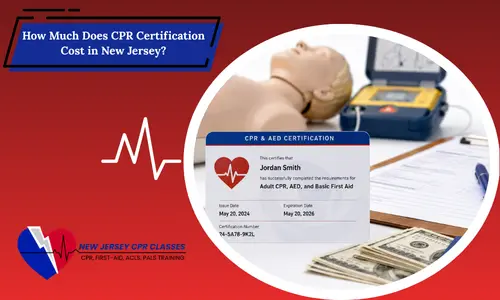
If you are planning to enroll in CPR certification training, understanding the cost is an important part of choosing the right option. Course fees can vary depending on the type of training you need and the certification you are pursuing. CPR certification costs in New Jersey are influenced by factors such as the certification level, course format, and training provider.
In this guide, you will learn what different CPR courses typically cost, the factors that affect pricing, why CPR certification is a valuable investment, and ways to reduce the overall cost of training.
What Determines the Cost of CPR Certification in New Jersey?
The cost of CPR certification in New Jersey is influenced by more than just the course itself. Factors such as the level of certification, the training format, and the organization providing the course all play a role in the final price. Understanding these differences can help you choose a program that fits both your budget and your certification requirements.
Several key factors affect what you’ll pay for CPR certification:
- Course Complexity: Entry-level courses, such as Heartsaver CPR AED, generally cost less than advanced programs like BLS, ACLS, or PALS. Advanced certifications cover more in-depth material, include additional hands-on skills, and require a longer training session.
- Learning Method: Some providers offer blended learning, allowing you to complete the educational portion online before attending an in-person skills evaluation. Others provide fully instructor-led classes. The course format can influence the overall cost.
- Training Provider: Pricing differs between organizations and training centers. Nationally recognized certifications often cost more, but are widely accepted by employers and healthcare facilities.
- Class Location: Training costs can vary across New Jersey. Courses offered in larger metropolitan areas or locations with higher demand may be priced differently from those in smaller towns.
- Initial Certification vs. Renewal: First-time certification courses are often more expensive than renewal courses, though pricing varies by provider and certification type. However, pricing policies vary, so it is worth comparing available options before registering.
CPR Certification Costs in New Jersey CPR
The cost of CPR certification in New Jersey depends on the course you choose and whether you need the complete certification program or only a skills evaluation. Basic CPR courses generally have lower fees, while advanced certifications for healthcare professionals require more comprehensive training and are priced accordingly.
The following table provides an overview of the current course fees.
| Course Type | Blended Learning (Online + Skills Check) | Skills Check Only |
| Heartsaver CPR AED | $125 | $95 |
| Heartsaver First Aid CPR AED | $135 | $100 |
| BLS Certification | $120 | $90 |
| ACLS Certification | $295 | $150 |
| PALS Certification | $295 | $150 |
Blended learning combines self-paced online coursework with an in-person skills evaluation at a verification station. This option is commonly selected by first-time participants who need to complete both the educational and practical components of the course. The skills check-only option is for participants who have already completed the required online coursework and need only the hands-on skills evaluation to receive certification.
What Is Covered in a CPR Certification Course?
CPR certification courses in New Jersey combine essential lifesaving knowledge with hands-on practice, helping participants respond confidently during medical emergencies. Each course follows a structured curriculum that teaches the skills needed to recognize emergencies, provide appropriate care, and use lifesaving equipment correctly.
The topics covered vary depending on the certification you choose. Community-based courses focus on basic emergency response, while healthcare provider courses include advanced assessment, treatment, and team-based resuscitation techniques.
Heartsaver CPR AED
Heartsaver CPR AED is a community-focused course for individuals who want to learn CPR but do not work in a healthcare setting. Participants learn how to recognize cardiac arrest, perform high-quality CPR on adults, children, and infants, and safely operate an automated external defibrillator or AED. This course is commonly chosen by teachers, coaches, fitness professionals, workplace safety teams, and anyone interested in learning lifesaving skills.
Heartsaver First Aid CPR AED
Heartsaver First Aid CPR AED builds on CPR training by adding first aid skills for common medical emergencies. Participants learn how to respond to bleeding, burns, fractures, allergic reactions, choking, seizures, and other situations that may occur before emergency medical services arrive. This course is a popular choice for childcare providers, camp staff, workplace employees, and community members who want a broader emergency response skill set.
Basic Life Support (BLS)
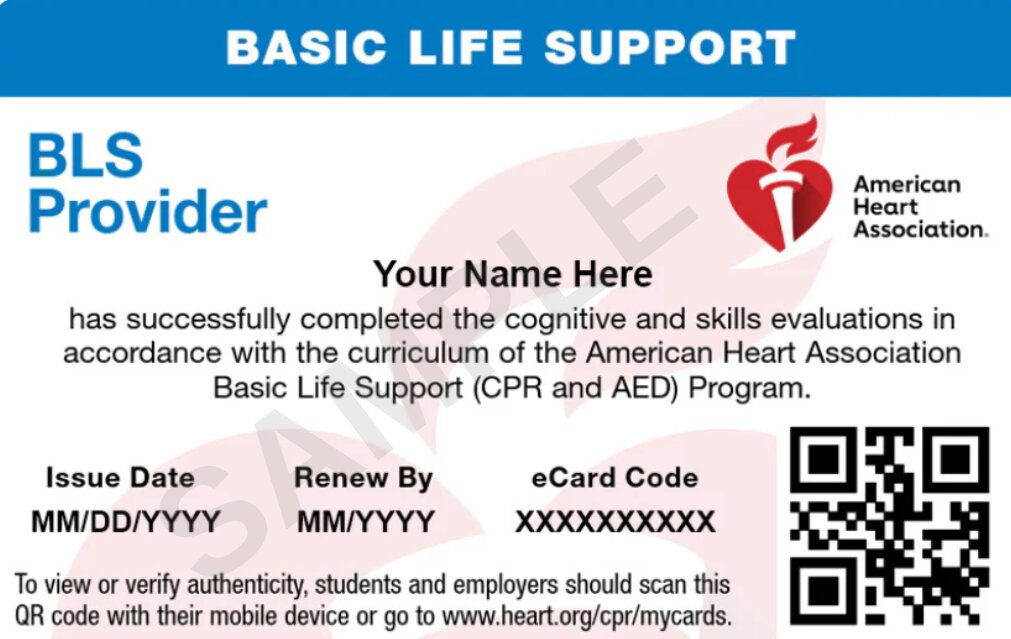
Basic Life Support prepares healthcare professionals to respond to cardiac and respiratory emergencies in both hospital and prehospital settings. The course covers high-quality CPR, effective chest compressions, rescue breathing, AED operation, and team-based resuscitation techniques. BLS certification is commonly required for nurses, physicians, emergency medical technicians, dental professionals, and many other healthcare workers. Some nonclinical professionals may also complete BLS when required by their employer or organization.
Advanced Cardiovascular Life Support (ACLS)
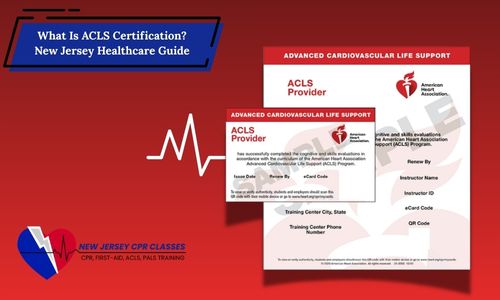
Advanced Cardiovascular Life Support is an advanced course for healthcare providers involved in managing adult cardiovascular emergencies. Participants learn advanced airway management, cardiac rhythm recognition, pharmacology, and evidence-based treatment algorithms for cardiac arrest, stroke, and other life-threatening conditions. The course also emphasizes communication, leadership, and coordinated team response during critical situations. ACLS certification is commonly required for emergency department staff, intensive care professionals, paramedics, and other advanced healthcare providers.
Pediatric Advanced Life Support (PALS)
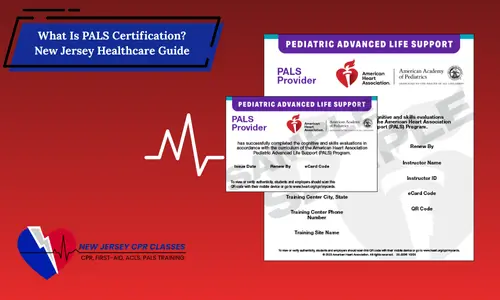
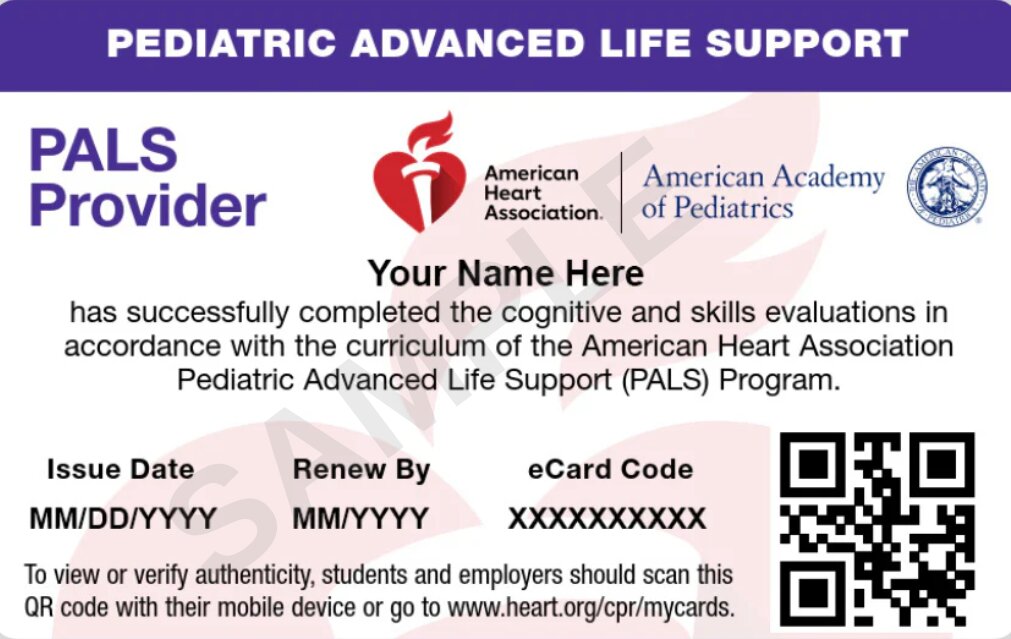
Pediatric Advanced Life Support focuses on the assessment and treatment of infants and children experiencing respiratory or cardiovascular emergencies. The course teaches pediatric CPR, airway management, rhythm recognition, and age-appropriate treatment strategies. Participants also develop the skills needed to identify early signs of deterioration and respond before a child’s condition becomes critical. PALS certification is commonly required for pediatricians, pediatric nurses, emergency physicians, paramedics, and other healthcare professionals who care for pediatric patients.
How Long Is CPR Certification Valid?
All American Heart Association CPR certifications remain valid for two years from the date of successful course completion. This standard renewal cycle helps participants maintain current knowledge and hands-on skills that reflect the latest resuscitation guidelines and best practices.
Before your credentials expire, complete the appropriate renewal course to keep them active. Many employers, healthcare facilities, schools, and licensing organizations require a valid CPR card, making timely renewal important for meeting workplace and professional requirements.
Why CPR Certification Is a Valuable Investment
The cost of CPR certification is small compared to the benefits it provides. Beyond earning a recognized credential, participants develop the knowledge and hands-on skills needed to respond to cardiac arrest, choking, and other medical emergencies until professional help arrives. These abilities can make a meaningful difference in situations where immediate action is critical.
CPR certification can also strengthen your professional qualifications. Many healthcare positions require a current certification, while schools, childcare centers, fitness facilities, and other workplaces often prefer or require employees to hold one. Whether you need certification for your career or want to be prepared for unexpected emergencies, the training provides practical skills that remain valuable long after the course is complete.
Why Choose New Jersey CPR Classes?
Choosing the right training provider is just as important as selecting the right course. New Jersey CPR Classes combines flexible learning with nationally recognized American Heart Association training, making it easier to earn a credential that meets workplace and professional requirements.
Key benefits include:
- Flexible Course Schedule: Complete the online learning portion at your own pace, then schedule your hands-on skills session at a time that works for you.
- American Heart Association Certification: Receive an official AHA-approved certification accepted by employers, hospitals, schools, and healthcare organizations across the United States.
- Accepted Nationwide: Your certification is valid across New Jersey and throughout the United States, making it suitable for employment, licensing, and professional requirements.
- Multiple Skills Check Locations: Choose from convenient training locations across New Jersey to complete your hands-on skills evaluation.
- Same-Day Digital eCard: Your official American Heart Association eCard is issued on the same day after you complete the course requirements.
- Realistic Hands-On Practice: Build confidence using voice-assisted manikins that provide immediate feedback during your skills evaluation, helping you perform CPR techniques accurately.
Ways to Reduce the Cost of CPR Certification
Earning CPR certification does not always mean paying the full individual course price. Depending on your training needs, you may be able to lower the overall cost by taking advantage of available pricing options.
Here are a few ways to save on your training:
- Group Training Discounts: Businesses, healthcare facilities, schools, and community organizations can receive discounted rates for group training when enrolling multiple participants in the same session.
- Multiple Course Savings: If you need more than one certification, enrolling in courses such as BLS, ACLS, and PALS together provides better value than registering for each course separately. Bundled training options can help reduce the total cost while allowing you to earn multiple credentials.
Get Certified with New Jersey CPR Classes
Finding the right CPR course involves more than comparing prices. A quality training program should provide recognized credentials, flexible scheduling, and practical skills that prepare you to respond confidently during real-life emergencies while meeting employer or licensing requirements.
New Jersey CPR Classes provides American Heart Association CPR, BLS, ACLS, PALS, Heartsaver CPR AED, and Heartsaver First Aid CPR AED certification courses for both healthcare professionals and the general public. Whether you are earning your first CPR credentials or renewing an existing one, you will receive a nationally recognized digital eCard accepted by employers throughout New Jersey and across the United States.
FAQs
Can my employer pay for my CPR certification?
Yes. Many employers cover the cost of CPR certification for employees whose jobs require current credentials. Check with your employer to learn whether reimbursement or employer-sponsored training is available.
Is there a difference in cost between CPR and BLS certification?
Yes. CPR courses for the general public are generally more affordable than Basic Life Support (BLS) courses. BLS training covers additional topics, includes more comprehensive skills for healthcare professionals, and requires a longer curriculum, which typically results in a higher course fee.
Does a higher course price mean better certification?
Not necessarily. The value of a CPR course depends on the certifying organization, course quality, and employer acceptance rather than the price alone. Choosing a nationally recognized provider helps ensure your certification meets workplace and professional requirements.
How can I choose the right CPR course?
The right CPR course depends on your profession, workplace requirements, and the type of certification you need. BLS, ACLS, and PALS are commonly required for healthcare professionals, while Heartsaver courses are a good choice for teachers, childcare providers, workplace employees, and anyone who wants to learn lifesaving skills.
Can I renew my CPR certification before it expires?
Yes. Renewing your CPR certification before it expires helps keep your credentials current and ensures you continue to meet employer, licensing, or workplace requirements without interruption.