If your organization regularly needs employees, students, or team members to complete CPR training, coordinating every skills session through an outside provider can become time-consuming. Staff may need to travel, schedules can be difficult to manage, and arranging group sessions can interrupt daily operations.
A CPR Verification Station offers another option. Instead of sending everyone to an external training location, your organization can have access to a self-guided station where participants complete the hands-on skills portion of their American Heart Association (AHA) training.
For hospitals, medical schools, dental practices, ambulance companies, fire departments, and other organizations in New Jersey, an on-site CPR Verification Station can make recurring BLS, ACLS, and PALS skills sessions easier to coordinate.
If you are considering renting or setting up a CPR Verification Station at your facility, here is what you should know about the equipment, training process, annual requirements, and costs.
What Is a CPR Verification Station?
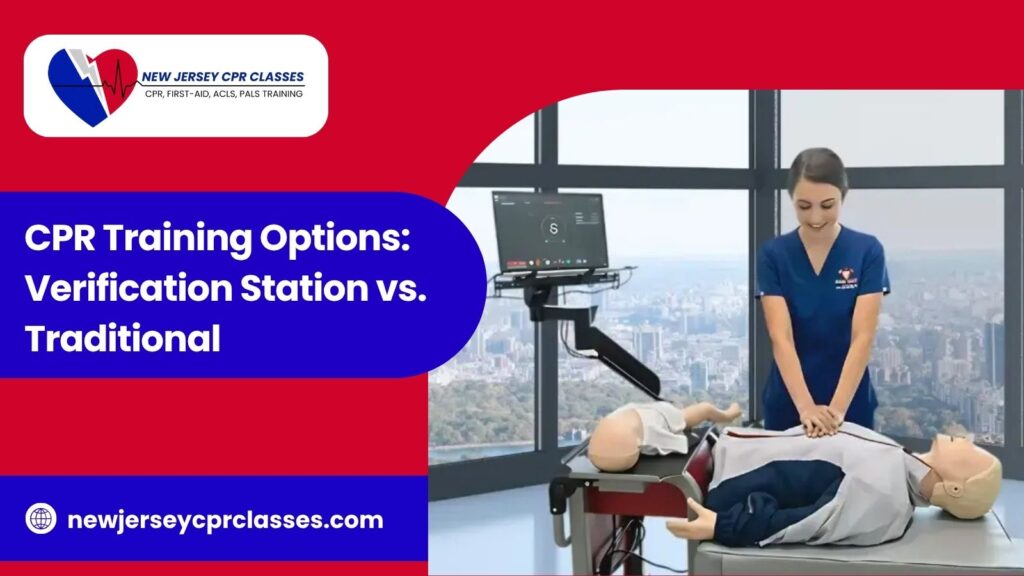
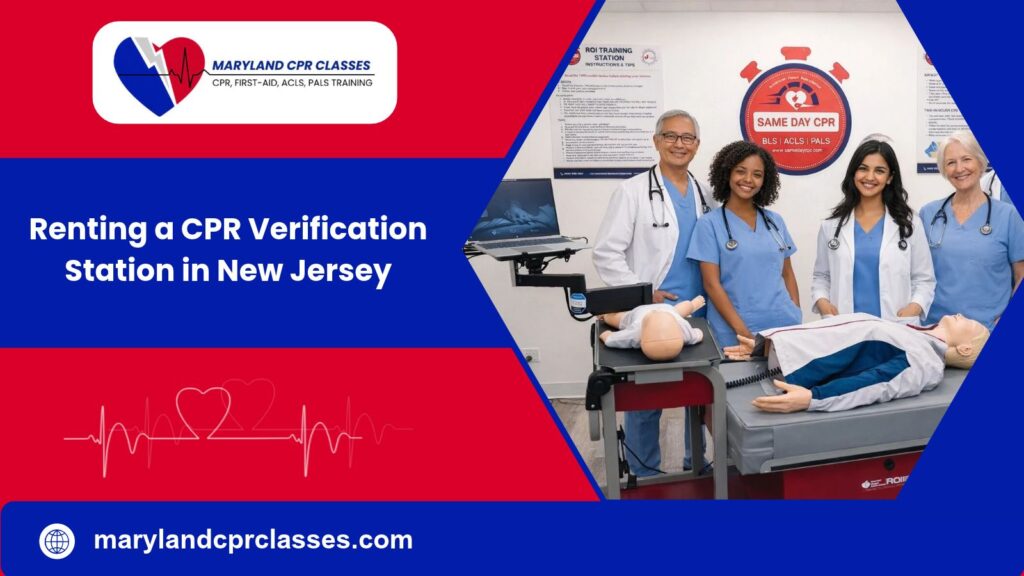
A CPR Verification Station is a self-guided setup that allows participants to complete the hands-on skills assessment required for certain American Heart Association courses.
The station uses a Voice-Assisted Manikin (VAM) to guide participants through the required skills. The equipment provides feedback during practice, helping learners understand their performance and make adjustments as needed.
The training process generally has two parts:
- Online coursework: Participants complete the required online AHA course for BLS, ACLS, or PALS.
- Hands-on skills session: Participants visit the station and complete the required skills assessment using the Voice-Assisted Manikin.
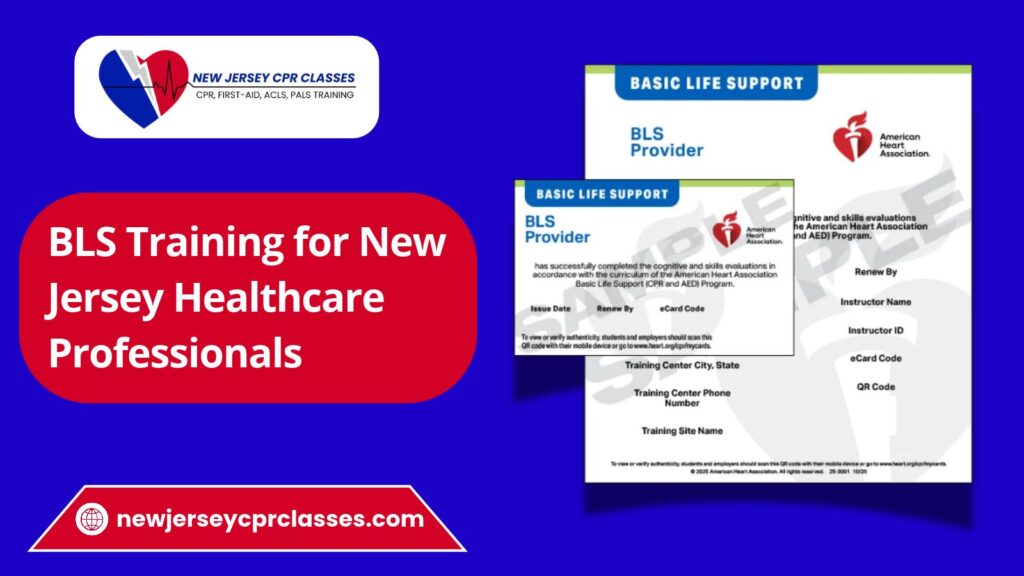
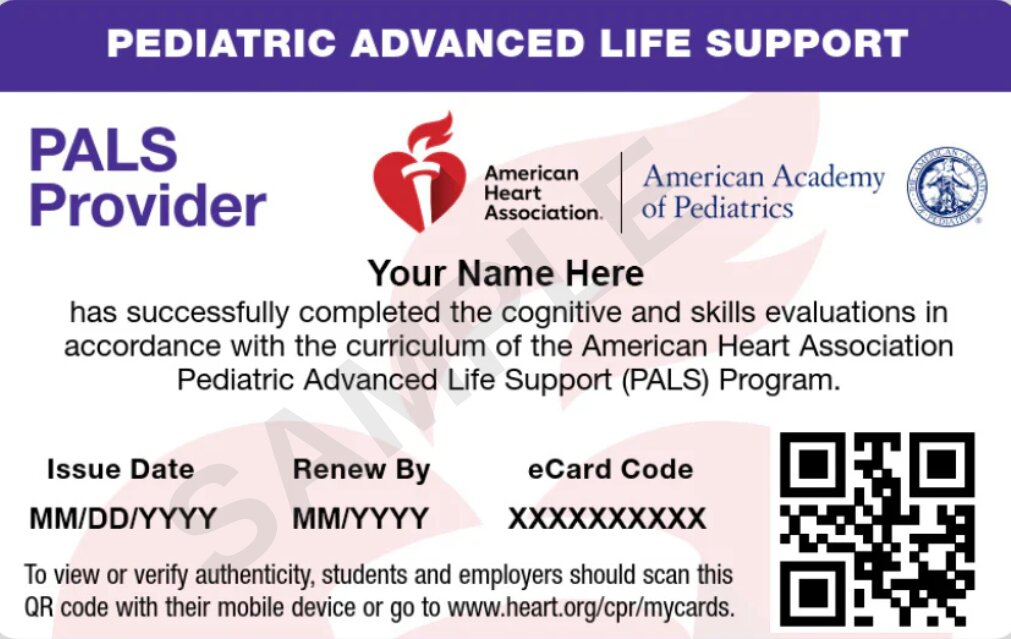
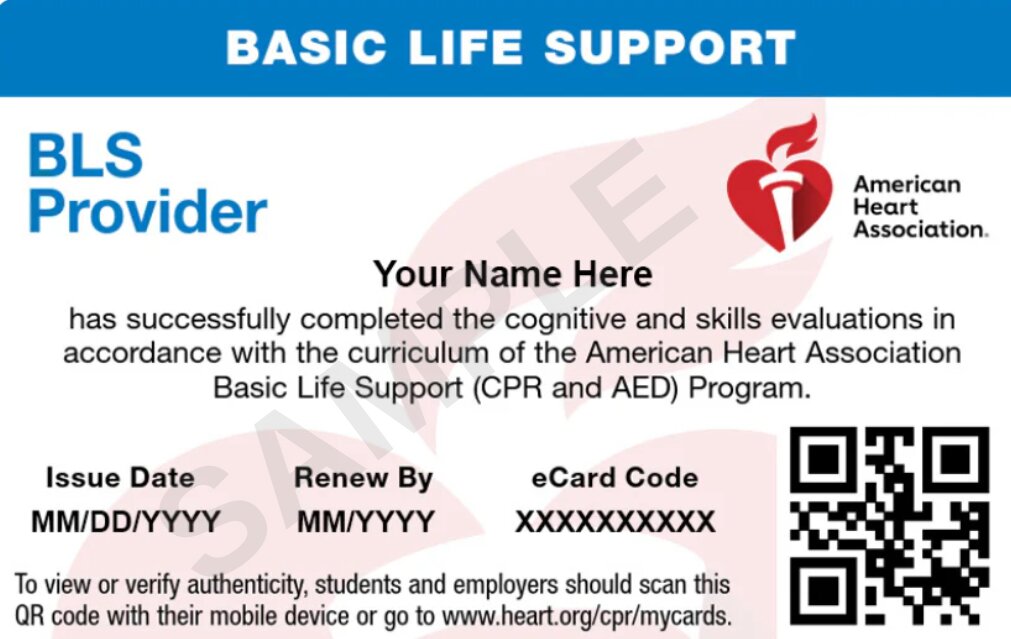
After successfully completing both required course components, participants receive the corresponding AHA course completion eCard.
An on-site station allows an organization to provide access to this skills verification process at its own facility rather than requiring every participant to travel to an outside training location.
Who Should Consider Renting a CPR Verification Station?
A CPR Verification Station can be useful for organizations that regularly train employees, students, or members. It is particularly worth considering when multiple people need recurring life support training throughout the year.
Hospitals and Healthcare Facilities
Hospitals need clinical staff to maintain current life support training based on their job responsibilities. Nurses, physicians, and other healthcare professionals may need BLS, ACLS, or PALS training.
An on-site station can give staff another way to complete their hands-on skills sessions without traveling to an external training facility.
Nursing and Medical Schools
Nursing and medical students may need current BLS, ACLS, or PALS credentials before clinical rotations or other program requirements.
Schools with regular student enrollment can consider an on-site station to help students complete their skills sessions at the institution.
Dental Practices and Dental Associations
Dental professionals may need BLS training as part of their professional responsibilities. Dental practices, associations, and educational programs that train multiple people can consider an on-site station to simplify recurring skills verification.
Ambulance Companies and EMS Organizations
EMTs and paramedics may need to maintain current life support training while working rotating shifts and responding to emergency calls.
Having a station at the organization’s facility can give team members more flexibility when completing their required skills sessions.
Fire Departments and Police Departments
Fire departments and other emergency response organizations may need to maintain BLS, ACLS, or PALS training for different members of their teams.
An on-site station can provide an additional training option without requiring the entire department to attend one scheduled group session.
CPR Training Businesses
CPR training businesses that serve healthcare professionals may benefit from offering self-guided skills verification as part of their training services. It can give participants another way to complete the hands-on portion after finishing their online coursework.
How Does a CPR Verification Station Work?
The process combines online learning with hands-on skills verification. Once the station is available at your facility, participants can complete the required steps individually.
Step 1: Complete the Online AHA Course
Participants first complete the required online course for their selected program.
Depending on their training needs, this may include HeartCode BLS, HeartCode ACLS, or HeartCode PALS. The online coursework covers the knowledge and course material required before the hands-on skills session.
Step 2: Access the On-Site Station
After completing the online coursework, participants use the CPR Verification Station at the organization’s facility.
The station uses a Voice-Assisted Manikin to guide them through the required skills assessment. Participants follow the instructions and receive feedback from the equipment.
Step 3: Complete the Required Skills Assessment
Participants demonstrate the skills required for their selected course.
The self-guided format allows each person to complete the session individually, rather than requiring everyone to attend the same scheduled group class.
Step 4: Receive the AHA Course Completion eCard
After successfully completing the required online and hands-on components, participants receive the corresponding American Heart Association course completion eCard.
The eCard documents successful completion of the applicable course. Participants should check their card for its issue and expiration dates.
What Is Included with a CPR Verification Station?
The exact arrangement depends on the station program and the agreement with the provider. When evaluating an on-site station, organizations should understand what equipment, setup assistance, and ongoing services are included.
Important features to discuss include:
Voice-Assisted Manikin Equipment
The Voice-Assisted Manikin guides participants through the required skills assessment and provides feedback during practice. This is the central piece of equipment used for self-guided hands-on skills verification.
Support for BLS, ACLS, and PALS
An AHA Self-Guided Station can support different healthcare training programs, including BLS, ACLS, and PALS. Confirm which courses are included in the specific station arrangement before making a commitment.
Ongoing Technical and Customer Support
Questions or equipment issues may arise after installation. Confirm what support is available, how to request assistance, and whether there are any additional charges.
On-Site Access for Participants
Having the station at your facility allows participants to complete their skills sessions at the organization’s location. This can reduce the need for employees or students to travel elsewhere for that part of their training.
How Much Does It Cost to Rent a CPR Verification Station in New Jersey?
The cost of a CPR Verification Station depends on the program arrangement and your organization’s expected annual certification volume.
There is no fixed rental price listed for the station program. To receive a personalized quote based on your organization’s needs and projected certification volume, you will need to submit an application.
The information typically requested includes:
- Organization or company name
- Contact person’s name
- Email address and phone number
- Type of organization
- Estimated annual BLS certifications
- Estimated annual ACLS certifications
- Estimated annual PALS certifications
- Additional questions or comments
Is There a Minimum Annual Certification Requirement?
A minimum annual certification commitment may apply when obtaining an AHA Self-Guided Station.
This requirement helps determine pricing based on the organization’s expected training volume. The exact minimum number of certifications is not publicly specified, so organizations should confirm it when requesting a quote.
Before agreeing to the program, make sure you understand the annual commitment and how it applies if your training needs change.
How to Get a CPR Verification Station for Your New Jersey Organization
If your organization wants to provide on-site BLS, ACLS, or PALS skills verification, start by discussing your training needs and expected annual certification volume.
New Jersey CPR Classes provide access to American Heart Association training through CPR Verification Stations across the state. Organizations interested in an on-site station arrangement should contact the team to discuss availability, program requirements, and pricing.
When making an inquiry, be prepared to share:
- Your organization’s name and type of facility.
- The number of employees, students, or members who need training.
- Your estimated annual BLS, ACLS, and PALS certification volume.
- Your preferred location for the station.
- Any questions about equipment, setup, staff training, and ongoing support.
These details will help determine whether an on-site station is suitable for your organization and what arrangement may be available.
Is a CPR Verification Station Right for Your Organization?
A CPR Verification Station may be a practical option for New Jersey organizations that regularly need employees, students, or members to complete BLS, ACLS, or PALS training.
It provides access to the hands-on skills component at your facility, while participants complete the required online coursework separately. The self-guided format can also make it easier to coordinate training when people work different shifts or follow different schedules.
Before choosing this arrangement, consider your annual certification volume, available space, budget, and the level of support your organization needs.
If your facility has recurring training requirements, contact New Jersey CPR Classes to discuss whether an on-site CPR Verification Station is a suitable option.