CPR and advanced life support training are important parts of working in healthcare, emergency response, and several other professions. At New Jersey CPR Classes, we offer American Heart Association courses for professionals who need the right training to respond to medical emergencies.
Our courses combine instruction with hands-on skills practice, giving you the opportunity to work through the techniques you may need in an emergency. Whether you are getting certified for the first time or renewing an existing provider card, you can choose a course that fits your professional requirements.
Maintain the advanced emergency care skills needed to treat critically ill or injured patients before they reach the hospital.
Build and maintain the CPR and emergency response skills needed to provide immediate care in the field.
Prepare to provide emergency medical assistance while responding to fires, accidents, rescues, and other emergencies.
Develop the skills needed to respond quickly and work together during medical and other emergency situations.
Stay prepared to provide lifesaving assistance during rescues and emergencies in challenging environments.
Maintain the skills needed to recognize cardiac and other medical emergencies and provide immediate lifesaving care.
Strengthen the CPR and emergency response skills used when caring for patients in hospitals, clinics, and other healthcare settings.
Stay prepared to recognize and respond to urgent and life-threatening conditions in clinical settings.
Maintain the emergency response skills needed to support patients and clinical teams during urgent situations.
Build the CPR and emergency preparedness skills that can be useful when supporting patients and healthcare providers.
Learn how to respond to medical emergencies that may occur while patients are receiving rehabilitation and therapy.
Maintain emergency response skills while helping patients with rehabilitation, daily activities, and recovery.
Build a strong foundation in CPR and emergency response skills before entering clinical practice.
Maintain the skills needed to respond to medical emergencies that may occur during dental procedures.
Stay prepared to recognize and respond to emergencies while providing patient care.
Develop the CPR and emergency response skills needed to support patients and the dental team.
Maintain emergency preparedness and know how to respond if a patient experiences a medical emergency during treatment.
Be prepared to respond to medical emergencies and provide immediate assistance when a student or staff member needs help.
Learn how to respond to sudden medical emergencies and injuries that may occur during exercise or training.
Build the skills needed to respond to emergencies involving infants and children in childcare settings.
Stay prepared to respond to drowning incidents and other emergencies that can occur around pools and other aquatic environments.
Help maintain emergency preparedness and respond appropriately when a medical emergency occurs at work.
Be prepared to provide immediate assistance and respond to medical emergencies while waiting for additional help to arrive.
(Initial & Renewal)
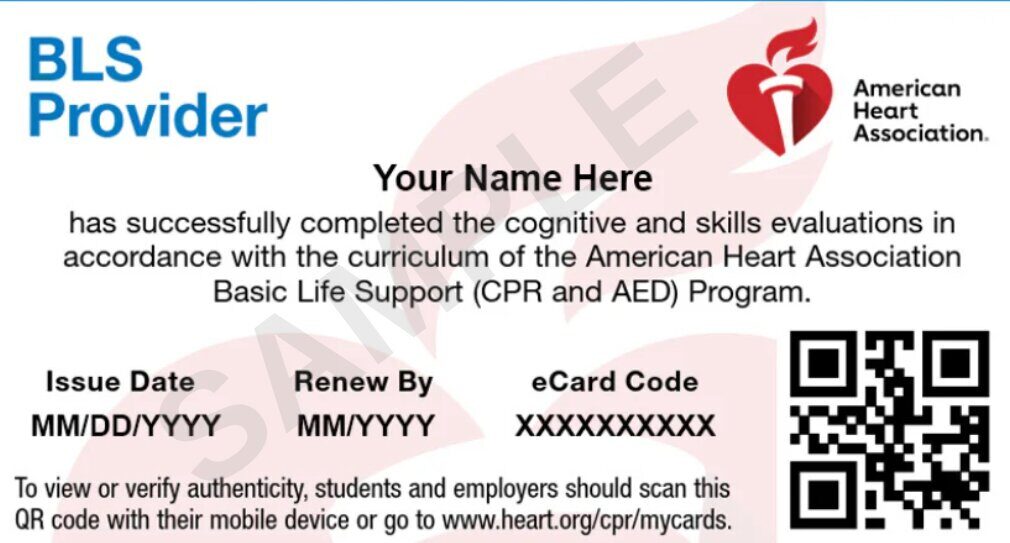
BLS training covers the core skills healthcare professionals need when responding to cardiac arrest and other life-threatening emergencies. The course includes high-quality CPR, AED use, and effective team response for adults, children, and infants.
(Initial & Renewal)
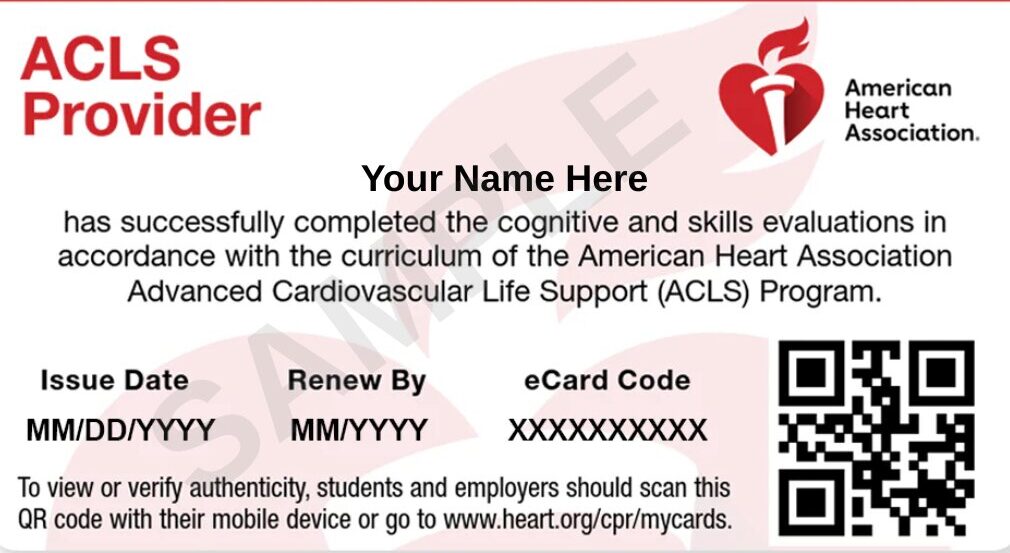
ACLS training is intended for healthcare professionals who respond to cardiovascular emergencies. The course covers patient assessment, cardiac rhythms, airway management, medications, and coordinated team-based care.
(Initial & Renewal)
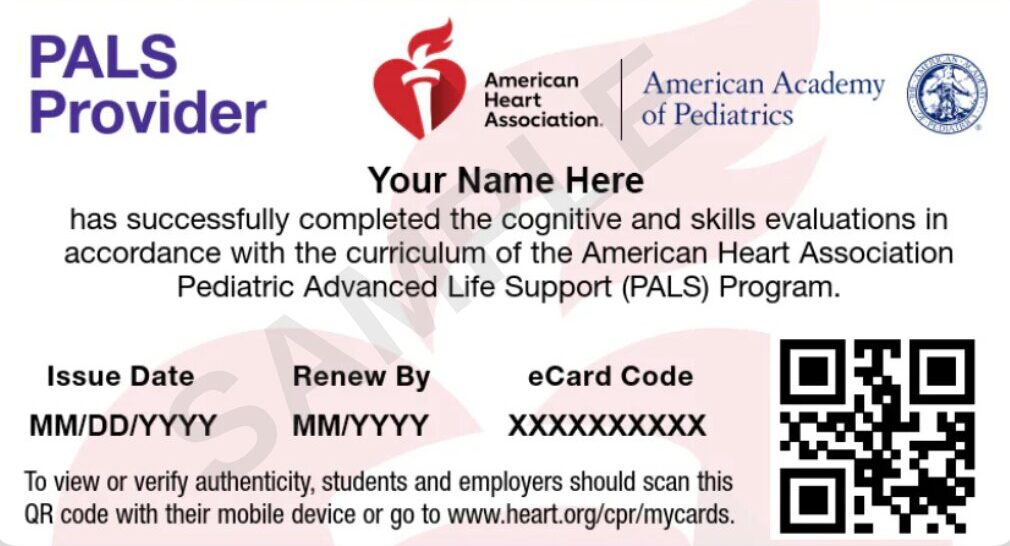
PALS training focuses on recognizing and managing serious medical emergencies in infants and children. Healthcare providers learn pediatric assessment and treatment approaches used during critical situations.
Getting certified should not have to mean spending more time away from work or school than necessary. Our courses are structured to make CPR and life support training straightforward while still giving you time to practice the skills covered in your course.
Same-day provider cards
American Heart Association courses
Hands-on skills practice
Convenient class schedules
Training based on AHA guidelines
Initial and renewal courses
Whether you need BLS for your healthcare job, ACLS or PALS for your clinical role, or CPR training for your workplace, New Jersey CPR Classes offers American Heart Association courses at convenient locations throughout New Jersey.
Choose the course that matches your professional requirements, attend your scheduled training, complete the required skills practice, and receive your official AHA eCard after completing the course.
It depends on your employer, job responsibilities, and workplace requirements. Healthcare and emergency professionals often have specific certification requirements, while other jobs may require general CPR, AED, or First Aid training. Check with your employer or licensing organization if you are unsure which course you need.
Yes. CPR training is useful for people working in schools, childcare, fitness, security, workplaces, and other settings where knowing how to respond to an emergency can be important. The appropriate course depends on your role and what your employer requires.
Yes. Students entering nursing, medical, dental, therapy, EMS, and other healthcare programs may need CPR or life support certification as part of their education or clinical requirements. Your school should be able to tell you which certification you need.