A medical emergency can happen at home, at work, during a sporting event, or while spending time with family and friends. Knowing how to respond before emergency medical services arrive can help stabilize an injured or ill person and improve their chances of recovery. Many New Jersey residents choose to become certified for personal preparedness, while others need training to meet workplace or professional requirements.
First Aid and CPR are valuable life skills that anyone can learn. No medical background is required, and the course gradually builds the knowledge and practical skills needed to respond to a variety of emergencies.
In this guide, you’ll find a complete overview of First Aid and CPR training in New Jersey, including available courses, certification validity, training formats, and factors to consider when choosing a training provider.
What Is CPR Training?
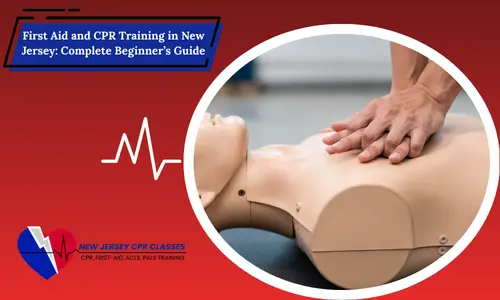
CPR training prepares participants to respond when someone experiences cardiac arrest or stops breathing normally. The course teaches the essential skills needed to recognize life-threatening conditions, take immediate action, and respond appropriately during cardiac and breathing emergencies. Practical exercises help participants build confidence and respond more effectively during emergencies.
CPR Training Includes:
- Recognizing cardiac arrest and respiratory emergencies
- Adult, child, and infant CPR techniques
- Rescue breathing for different age groups
- Safe use of an Automated External Defibrillator or AED
- Choking relief for adults, children, and infants
- Emergency response and activation of EMS
What Is First Aid Training?
First Aid training focuses on recognizing injuries and sudden illnesses and providing immediate care until emergency medical services arrive. Participants learn how to assess a situation, prioritize care, and respond appropriately until additional help is available. Practical instruction helps build confidence and prepares students to assist during a wide range of emergencies.
First Aid Training Includes:
- Assessing the scene and identifying potential hazards
- Bleeding control and wound management
- Care for burns, fractures, and sprains
- Responding to allergic reactions and seizures
- Recognizing heart attacks, strokes, and asthma emergencies
- Managing heat-related and cold-related illnesses
- Identifying and responding to shock
Why Learn First Aid and CPR Training?
First Aid and CPR training equips New Jersey residents with the knowledge needed to respond during life-threatening situations. Learning the correct techniques can help control bleeding, manage choking, perform CPR, and provide appropriate care during many common emergencies. From homes and workplaces to schools, fitness centers, and public spaces across the state, these skills can help individuals respond when someone needs immediate assistance.
Furthermore, training also builds confidence. Many people hesitate during critical situations because they worry about making a mistake. Structured hands-on practice allows participants to develop their skills in a controlled learning environment before facing a real emergency. Whether you are helping a family member, coworker, neighbor, or stranger, earning a First Aid and CPR certification in New Jersey prepares you to respond quickly and appropriately when every moment matters.
Who Should Take First Aid and CPR Training?
First Aid and CPR certification is valuable for nearly everyone, regardless of age or profession. While many employers require certification, countless individuals complete training to protect the people around them and prepare for unexpected situations.
Common groups that benefit from certification include:
- Parents and grandparents
- Babysitters and nannies
- Teachers and school staff
- Coaches and athletic trainers
- Childcare providers
- Fitness instructors and personal trainers
- Construction and manufacturing employees
- Office workers
- Security personnel
- Lifeguards and recreation staff
- Healthcare professionals
- College students
- Volunteers involved in community organizations
- Anyone who wants to be prepared for emergencies
Types of CPR and First Aid Training Courses Available in New Jersey
New Jersey training providers offer several American Heart Association certification courses to meet different learning needs. Some courses are for the general public, while others are required for healthcare professionals and individuals working in specialized medical settings. Understanding the purpose of each course can help you choose the certification that best fits your role and responsibilities.
Heartsaver CPR AED
The Heartsaver CPR AED course is a beginner-friendly certification for non-healthcare professionals. Participants learn CPR for adults, children, and infants, how to use an Automated External Defibrillator, and how to respond to choking emergencies. This course is commonly chosen by teachers, coaches, fitness professionals, workplace employees, volunteers, and anyone who wants to be prepared for emergencies in New Jersey.
Heartsaver First Aid CPR AED
The Heartsaver First Aid CPR AED course combines CPR, AED, and First Aid training into a single certification program. Along with CPR and choking response, participants learn to manage common injuries and sudden illnesses, making it a popular choice for childcare providers, school staff, community organizations, and many workplaces throughout New Jersey.
Basic Life Support (BLS)
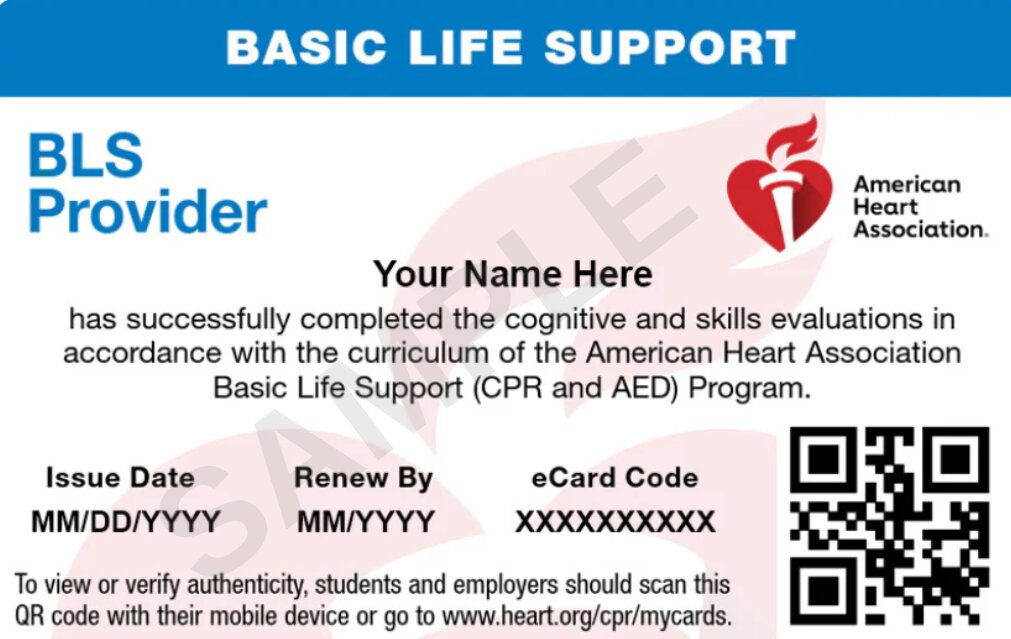
BLS certification serves as the foundation for many clinical roles in New Jersey. The course prepares healthcare professionals and students entering the medical field to perform high-quality CPR for adults, children, and infants, use an AED, provide bag-mask ventilation, and participate in team-based resuscitation.
Advanced Cardiovascular Life Support (ACLS)
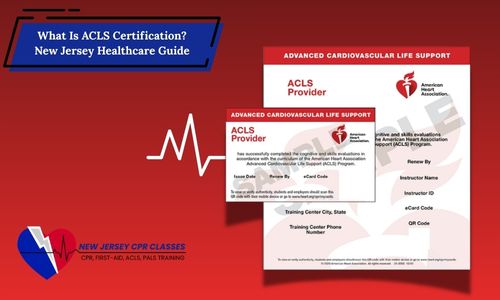
ACLS certification focuses on advanced emergency cardiovascular care for clinical providers. Participants learn to manage cardiovascular and respiratory emergencies through training in airway management, cardiac rhythm recognition, pharmacology, and coordinated team-based resuscitation.
Pediatric Advanced Life Support (PALS)
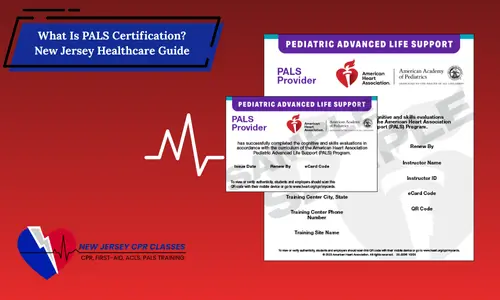
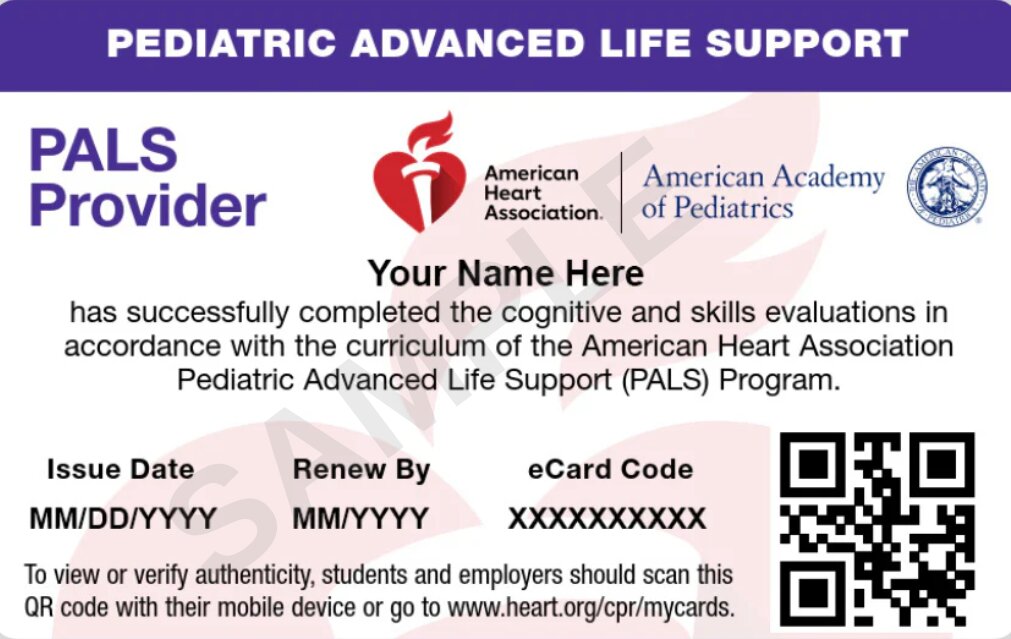
PALS prepares participants to recognize and manage medical emergencies involving infants and children. The course emphasizes pediatric assessment and evidence-based techniques for responding to respiratory emergencies, shock, cardiac arrest, and other life-threatening conditions.
Training Options Available in New Jersey
New Jersey offers multiple ways to complete First Aid and CPR training, allowing participants to choose a format that fits their schedule and learning preferences. Whether you prefer learning in a classroom with an instructor or completing part of the course online before attending a skills session, both options provide valuable emergency response training.
Traditional Instructor-Led Training
Traditional instructor-led training takes place in a classroom where an instructor teaches the course from start to finish. Participants receive live demonstrations, practice their skills under instructor supervision, and complete any required evaluations during the scheduled class. The on-site format requires learners to attend the full class at a predetermined time, making advance scheduling important.
Blended Learning
Blended learning combines self-paced online coursework with an in-person skills session. Participants complete the online portion at their convenience before attending a scheduled visit to demonstrate their practical abilities. This format allows them to fit the coursework around work, school, or personal commitments while completing all certification requirements.
How Long Does Certification Last?
Your AHA-approved First Aid and CPR certifications remain valid for two years. After that period, participants should complete a renewal course to maintain current knowledge and stay familiar with the latest emergency care recommendations.
Renewing your certification provides an opportunity to refresh essential skills that may not have been practiced since the previous course. Regular refresher training helps improve confidence and ensures techniques remain effective during real emergencies.
How to Choose a CPR Training Provider in New Jersey
Not all training providers offer the same learning experience. Before registering, compare course content, certification acceptance, training format, scheduling flexibility, and overall reputation. Choosing a reputable provider helps ensure your certification meets employer requirements and provides a high-quality learning experience.
Consider the following before enrolling:
- Nationally recognized certification accepted by employers
- Hands-on practice using CPR and First Aid techniques
- Class schedules that fit your availability
- Multiple training formats to suit different learning preferences
- Clear certification renewal requirements
- Modern training equipment for realistic skill practice
- Transparent course pricing with no hidden fees
- Positive reviews from previous participants
- Responsive customer support before and after training
Get Certified with New Jersey CPR Classes
CPR and First Aid certification is an investment that can benefit you at home, in the workplace, and throughout your community. Whether you are completing certification for the first time or renewing an existing credential, choosing a course that meets your training requirements helps ensure you are prepared to respond during a variety of emergencies.
New Jersey CPR Classes offers American Heart Association certification courses for both healthcare and non-healthcare professionals. Our blended learning format allows participants to complete the online coursework at their own pace before attending a hands-on skills session, making certification easier to fit around work, school, and personal commitments. Your digital eCard is issued the same day after successful course completion, so you can access your credentials without waiting for additional processing.
FAQs
Do I need any medical background to take a CPR or First Aid course?
No. Courses start with the basics, and no prior medical knowledge or experience is required.
Is certification earned through blended learning accepted by employers the same way as in-person training?
Yes, blended learning results in the same AHA certification and eCard as traditional classroom training, and is accepted by employers and organizations throughout New Jersey and across the United States where the credential is required.
What happens if my certification expires before I renew it?
An expired certification is no longer valid for employer or professional requirements, so a renewal course must be completed to regain a current, active certification.
Which course should I choose if I’m not a healthcare professional?
If you are not a healthcare professional, Heartsaver CPR AED is a good option for learning basic CPR, AED use, and choking response. If your role requires both CPR and First Aid training, Heartsaver First Aid CPR AED provides a broader set of emergency response skills.
Will I receive a physical certification card, or only a digital one?
Participants receive a digital eCard after completing the course. A physical certification card is also available upon request for those who prefer a printed copy.