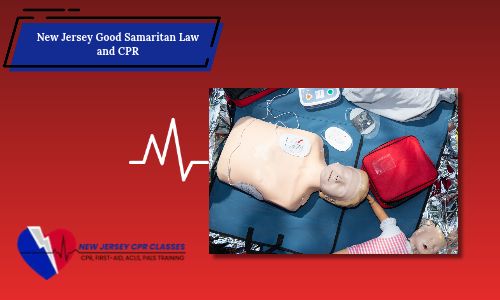
If you’ve ever hesitated to start CPR on someone because you were worried about getting sued, New Jersey’s Good Samaritan Law was written with exactly that hesitation in mind. The law generally protects people who step in to help during an emergency, including those performing CPR or using an AED, from civil liability if their good-faith efforts don’t go perfectly.
That protection isn’t unconditional, though, and understanding its limits matters just as much as knowing it exists. This guide walks through what New Jersey’s Good Samaritan Law actually covers, where the protection stops, and how CPR certification fits into staying protected if you’re ever the person who steps in.
A quick note before we start: this article is meant to explain the law in plain language, not to serve as legal advice.
What Is New Jersey’s Good Samaritan Law?
New Jersey’s core Good Samaritan Law is codified at N.J.S.A. 2A:62A-1. In plain terms, it says that a person who, in good faith, renders emergency care at the scene of an accident or emergency, or while transporting a victim to receive further treatment, generally can’t be held civilly liable for their acts or omissions while providing that care.
The law was written broadly enough to cover more than just an average passerby. It specifically includes licensed medical professionals, such as physicians and nurses, who happen to be off-duty bystanders during an emergency, along with volunteer members of first aid, emergency, and rescue squad organizations. In other words, the fact that you happen to have medical training doesn’t strip away your protection if you step in outside the scope of your paid job.
New Jersey also has a second, separate Good Samaritan law known as the Overdose Prevention Act (N.J.S.A. 2C:35-30). That law focuses specifically on protecting people who call for help during a drug overdose from certain legal consequences. It’s worth knowing it exists, but it works differently from the general emergency care protections that apply to CPR and AED use.
Does the Good Samaritan Law Cover CPR?
Yes. Performing CPR clearly falls under “emergency care” as the law describes it. If you step in to give chest compressions or rescue breaths to someone in cardiac arrest, and you’re doing so voluntarily and in good faith, the general Good Samaritan protections apply to you the same way they’d apply to someone providing any other form of emergency first aid.
This matters because hesitation costs time, and time is exactly what a cardiac arrest victim doesn’t have. Knowing the law is generally on your side if you act in good faith is part of what encourages bystanders, coworkers, and even trained professionals to step in immediately instead of waiting for someone else to act first.
Does the Law Cover AED Use Too?
Yes, and New Jersey addresses this specifically. A separate provision, N.J.S.A. 2A:62A-27, extends Good Samaritan immunity to AED use, acquisition, training, and supervision. Under this section, a person or organization that in good faith provides, uses, or supervises the use of a defibrillator is generally protected from civil liability for injury resulting from that care, as long as the requirements of the law have been met.
That last part matters. Unlike the general CPR protection, New Jersey’s AED immunity comes with conditions attached. To stay protected, an organization or individual involved with an AED generally needs to:
- Ensure that anyone using the AED holds a current CPR and AED certification from the American Heart Association or another training program rec ognized by the New Jersey Department of Health, before they use the device
- Notify the appropriate local emergency medical services provider that an AED has been acquired, including its type and location
- Maintain and test the device according to the manufacturer’s guidelines
- Involve a licensed physician in reviewing the AED program, particularly for organizations maintaining a device on-site
This is why New Jersey is sometimes described as having a conditional immunity approach to AEDs rather than a fully unconditional one. If an organization skips these requirements, such as never notifying EMS about the device or letting an untrained employee use it, that gap could put the Good Samaritan protection at risk.
What the Good Samaritan Law Doesn’t Cover
Good Samaritan protection isn’t a blank check. New Jersey courts have consistently held that the law doesn’t protect against gross negligence, willful misconduct, or wanton disregard for someone’s safety. In plain terms, this means the standard you’re held to is what a reasonable person with similar training would do in the same situation, not perfection.
A few other limits worth knowing:
It generally doesn’t apply to paid, on-duty care. The protection is built around voluntary emergency response, not routine paid clinical work. A hospital employee treating a patient as part of their regular job in an emergency department isn’t relying on the Good Samaritan Law the way a bystander or off-duty nurse at the scene of an accident would be.
There’s usually no legal duty to act in the first place. New Jersey follows the general rule that a bystander has no legal obligation to help a stranger in an emergency, though certain relationships, such as parent and child or employer and employee, can create a duty to act that falls outside the Good Samaritan framework entirely.
AED protection depends on meeting the statute’s requirements. As covered above, an organization that doesn’t follow the training, notification, and maintenance requirements around its AED program risks losing that layer of protection if something goes wrong.
None of this means the law offers weak protection. It means the protection is built around acting reasonably and in good faith, not around a guarantee that nothing bad can ever happen as a result of trying to help.
Why CPR Certification Strengthens Your Position
Good Samaritan protection hinges on acting in good faith and within a standard of reasonable care. Formal CPR and AED training gives you a much clearer picture of what “reasonable” actually looks like in an emergency, since you’re working from a recognized standard rather than guessing under pressure.
For AED use specifically, New Jersey’s law goes a step further and effectively expects current certification as part of maintaining that immunity. That makes certification more than a good idea. For organizations maintaining an AED on-site, it’s part of what keeps the Good Samaritan protection intact in the first place.
Certification also changes how confidently you respond. People who’ve practiced compressions, AED use, and rescue breathing on a manikin are far less likely to freeze or hesitate when a real emergency happens, and that hesitation is often the biggest factor separating a good outcome from a bad one.
Get AHA-Certified With New Jersey CPR Classes
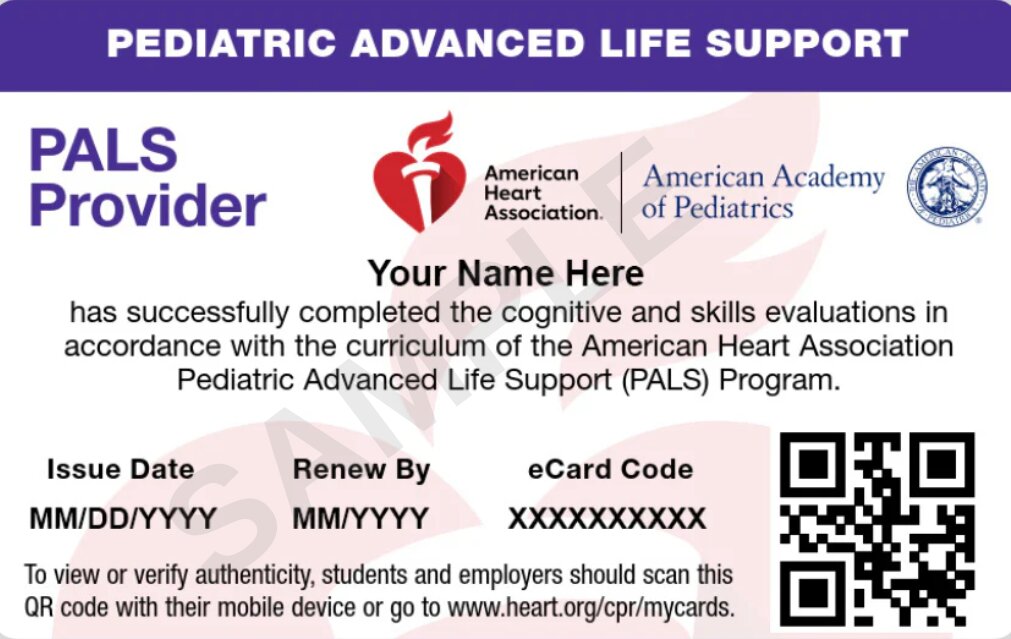
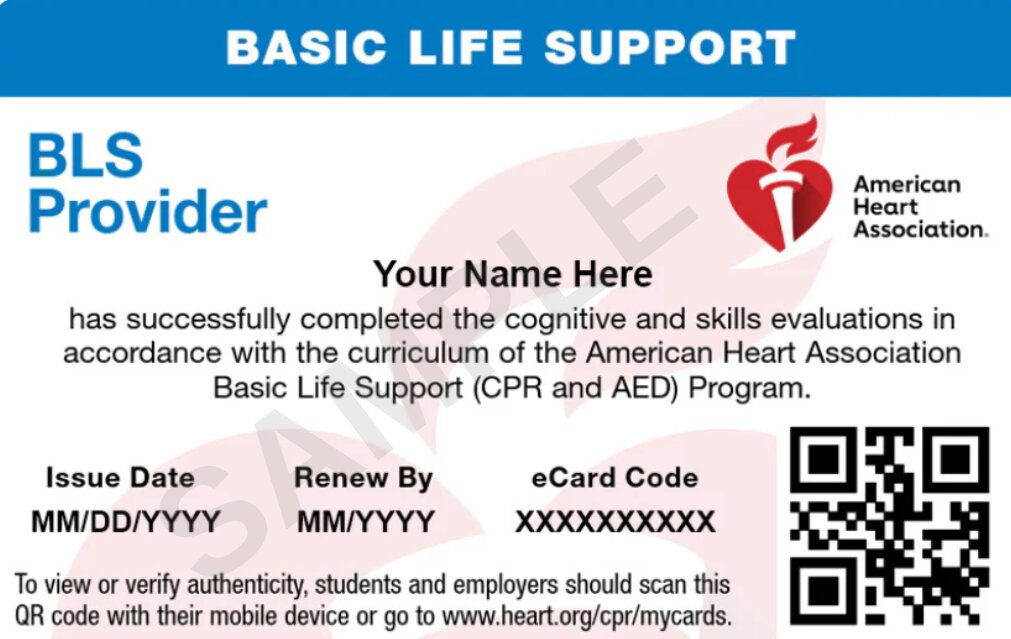
At New Jersey CPR Classes, we help individuals and organizations across the state get and stay certified in a way that fits real schedules. Our AHA-approved BLS, ACLS, and PALS courses use a Self-Guided Learning format: complete the coursework online, then finish with a short hands-on skills session at one of our CPR Verification Stations.
During your skills session, you’ll practice CPR and AED use on a Voice-Assisted Manikin that gives you real-time feedback on your technique, so you leave prepared to act with confidence, not just a certificate in hand.
For businesses, schools, gyms, and healthcare organizations maintaining an AED on-site, staying compliant with New Jersey’s training requirements is part of protecting your Good Samaritan immunity. We offer CPR Verification Station rentals so your entire staff can complete certification and recertification together, on-site, keeping your organization’s training current without pulling employees out individually.
Whether you’re an individual who wants to be ready if an emergency happens in front of you, or an organization responsible for keeping an AED program compliant, current AHA certification is one of the most practical steps you can take.
Frequently Asked Questions
Does New Jersey’s Good Samaritan Law protect off-duty nurses and doctors who perform CPR?
Yes. The law specifically includes licensed medical professionals who act as bystanders during an emergency, provided they’re acting in good faith and not as part of their paid, on-duty role.
Am I protected if I use an AED on someone in New Jersey?
Generally yes, as long as the AED use follows New Jersey’s requirements, including that the user holds current CPR and AED certification and the organization maintaining the device has met its training, notification, and maintenance obligations.
Can someone still sue a Good Samaritan in New Jersey?
Yes, but only in limited circumstances. A lawsuit could succeed if the person’s actions rose to the level of gross negligence or willful misconduct, rather than an honest mistake made while acting in good faith.
Do I have to help someone during an emergency in New Jersey?
Generally, no. New Jersey follows the common law rule that bystanders have no legal duty to assist a stranger, though certain relationships can create a duty to act outside of Good Samaritan protections.
Does CPR certification affect my legal protection under the Good Samaritan Law?
For general CPR, certification isn’t a legal requirement to be protected, but it does help establish that you acted reasonably. For AED use specifically, New Jersey’s law places more direct weight on current certification as part of maintaining that protection.